Welcome to the July edition of What I’m Buying, Trying and Eyeing.
As a competitive amateur player and lifelong student of the game, I’m constantly researching golf equipment and training tools that might improve my game. While I’m genuinely interested in new golf technology, I’m also incredibly picky about what actually earns a place in my bag or practice routines. I spend a lot of time trying to separate the signal from the noise, and this monthly column is where I’ll share what’s currently caught my attention, what I’m evaluating, and what I’ve found compelling enough to buy.
What I’m Trying
L.A.B. VZN.1i
L.A.B. Golf recently released the VZN.1i, a geometrically shaped lie angle balanced mallet designed to help players visualize their alignment more easily. I put the VZN.1i into play for the first time during a recent round at Rustic Canyon and came away impressed.
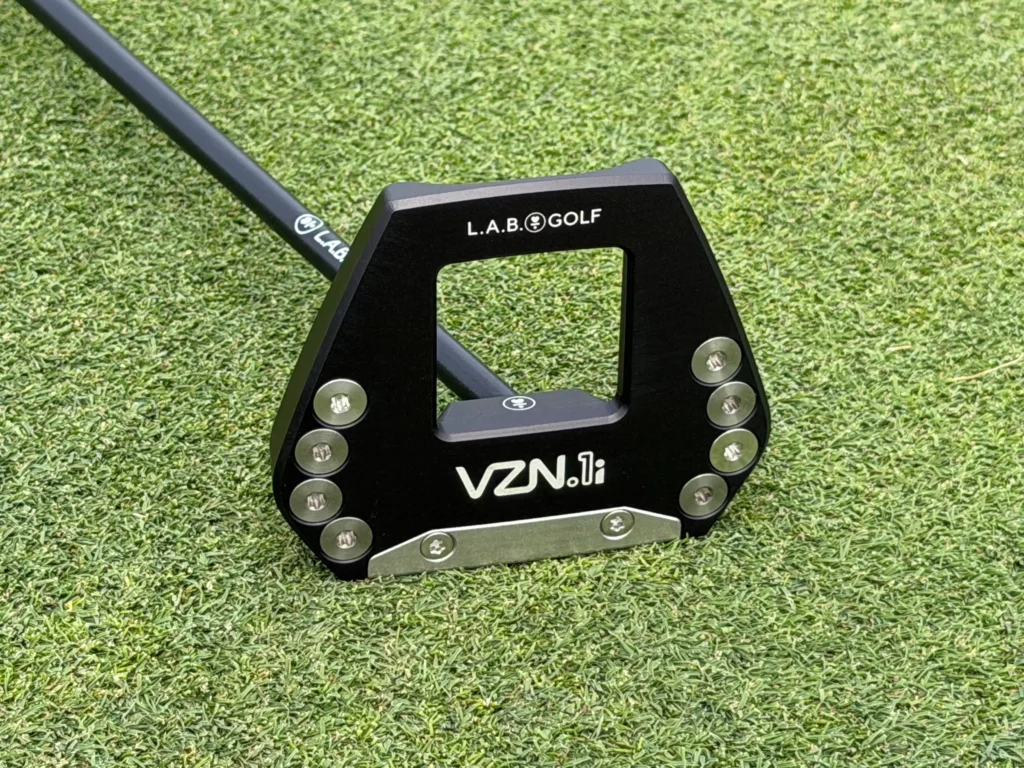
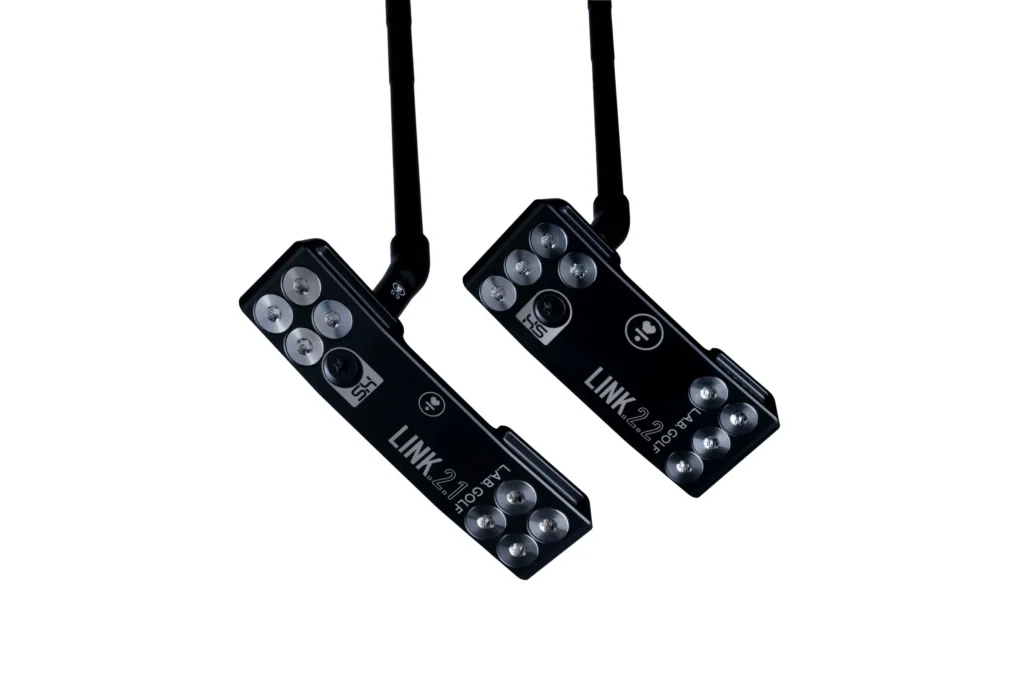
The putter sits beautifully at address, soles very naturally and features the same steel insert that I enjoyed in the DF3i. The biggest change I made compared to previous L.A.B. putters I’ve evaluated was choosing the zero-degree shaft lean option instead of the two-degree shaft lean build.
So far, I’m glad I did.
The zero-degree build looks much better to my eye and the ability to use a standard grip makes it feel like more natural at setup. It’s early days, but one round was enough to convince me there’s a much bigger conversation to be had about shaft lean than I originally expected.
I’ll be publishing a dedicated article on choosing between zero and two degrees of shaft lean, followed later by a full long-term review of the VZN.1i after I’ve spent more time with it on the course.
What I’m Buying
Titleist GTS3 Driver
I recently found myself in the market for a second driver to keep with my clubs in California. I had been very happy with my Titleist TSi3 but with the GT series discounted and the new GTS lineup just around the corner, I had a decision to make. Do I pick up a GT3 on discount or go for the latest GTS series?
After plenty of research (and a conversation with the fitter who originally fit me into my TSi3), I ultimately chose the GTS3.
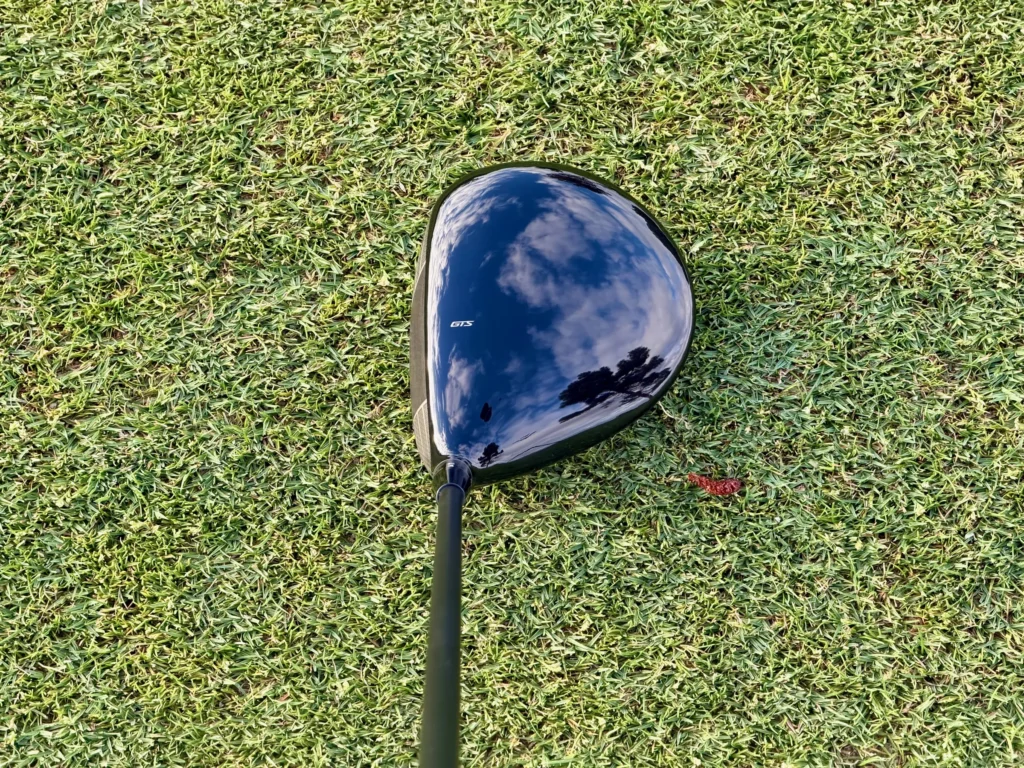
I’ve had it in the bag for the past two weeks and, without giving too much away before a full story, all I’ll say for now is this: WOW.
The sound, stability and forgiveness immediately stood out, and it may be one of the most impressive driver upgrades I’ve ever experienced.
The Perfect Putter
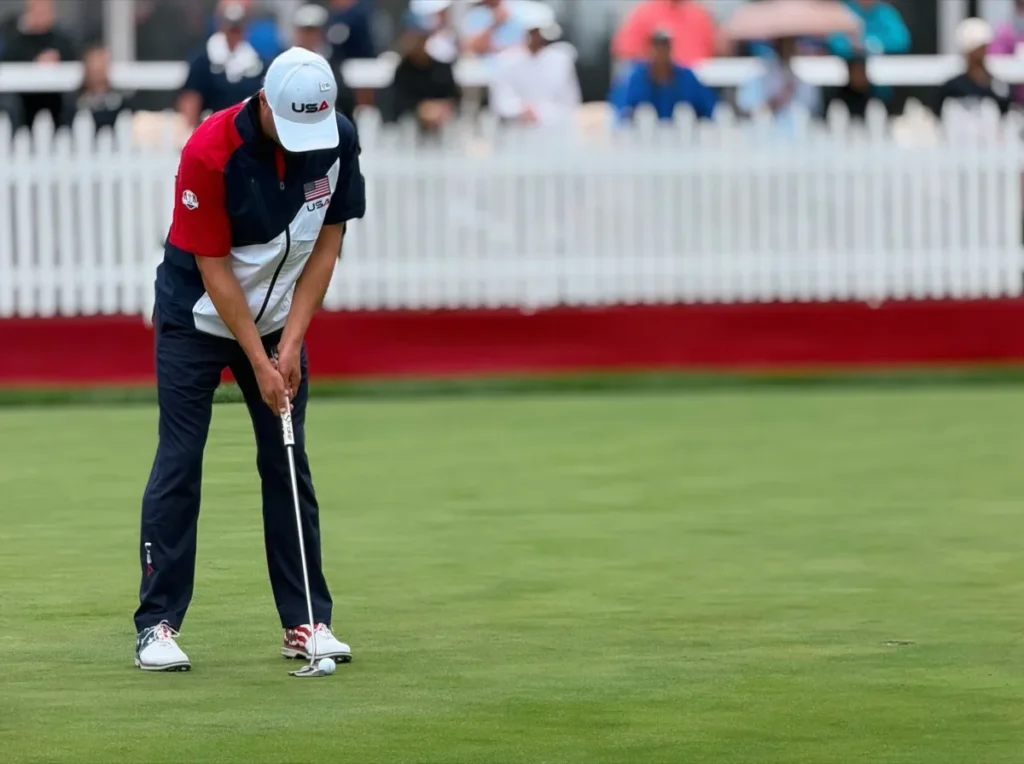
While covering the Ryder Cup at Bethpage Black last year, I spent a lot of time watching players prepare on the practice green.
What struck me wasn’t simply how much they practiced, it was how purposeful every minute was. Players weren’t casually rolling putts. Every putt had a specific objective, whether it was start line, green reading, eye position, path, tempo or calibrating AimPoint.
One training aid I saw repeatedly was a curved putting ramp used by coaches and caddies to roll balls onto the green, revealing the exact break of a putt before marking it with chalk dots. It removes the guesswork and allows players to practice knowing precisely how a putt should break if struck correctly.
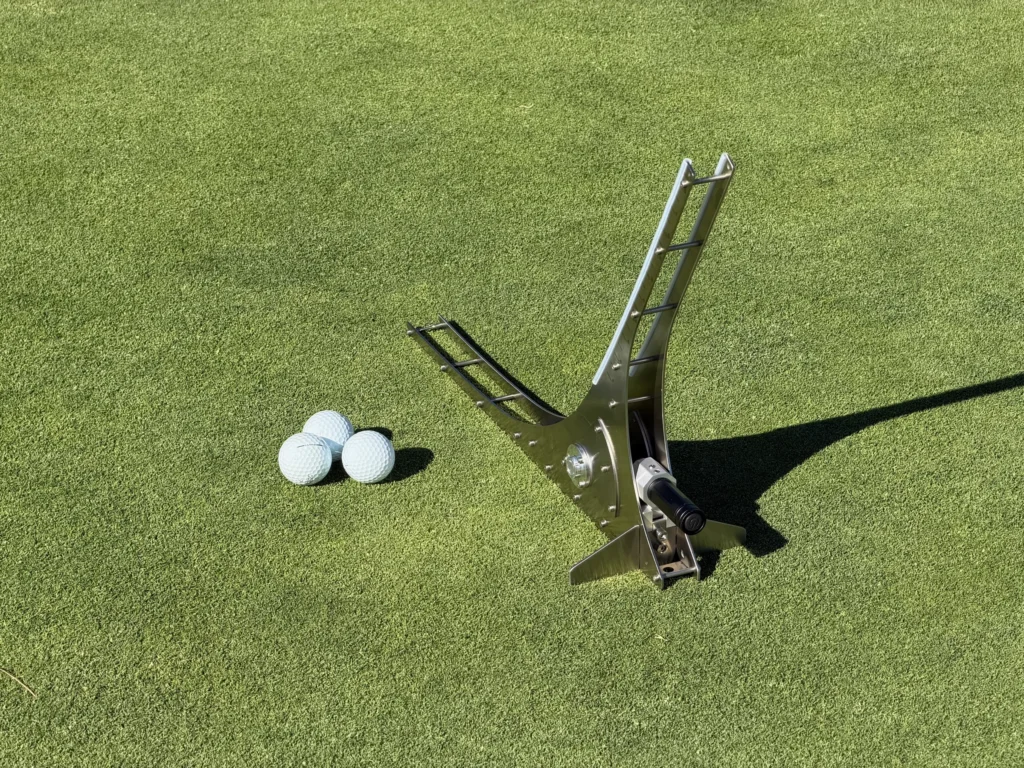
After more research, I purchased The Perfect Putter Tour along with the laser attachment.
I’ve only had a handful of practice sessions with it so far, but it’s already proving to be an incredibly useful way to build structured practice stations and validate my green reading. I’m looking forward to spending much more time with it.
What I’m Eyeing
Visio TempoStik+
Last month I played in the Metropolitan Golf Association Public Links Championship at Harbor Links. Leading into the event I had been putting well, but during qualifying round at Bethpage Green I completely lost touch with my speed. I recorded five three-putts, along with four birdies for a one over, 73. I qualified through an alternate spot, but my putting didn’t really improve during the tournament.
Whenever my speed control starts to disappear, I usually look at tempo first, but tempo is a tricky thing to diagnose. You can use a metronome to try and get the feel of a particular tempo, but a straight meter doesn’t exactly fall on the beats that represent the takeaway, top of the backstroke and impact at the ball, on a 2:1 ratio for backstroke to forward stroke.
The putting stroke is more nuanced than a metronome can represent and that is exactly where the TempoStik+ by Visio comes into play. The TempoStik+ is a stick of LED lights that visualizes in the position of the putter during the backstroke, transition and follow through, given a set green speed and putt length. It’s a very intriguing training aid developed by world renowned putting coach, Phil Kenyon.
It’s an innovative design and one that seems particularly well suited to diagnosing inconsistent pace control.
It’s also one of the more expensive putting training aids on the market, which is exactly why I’m still in the eyeing stage. But after my recent struggles on the greens, it’s at the very top of my list.
That’s what’s currently occupying my golf brain this month.
Some of these products may eventually become permanent fixtures in my game, while others may prove they aren’t for me. Either way, I’ll continue sharing the process, along with the lessons learned along the way. I’ll be back next month with another edition of What I’m Buying, Trying and Eyeing.