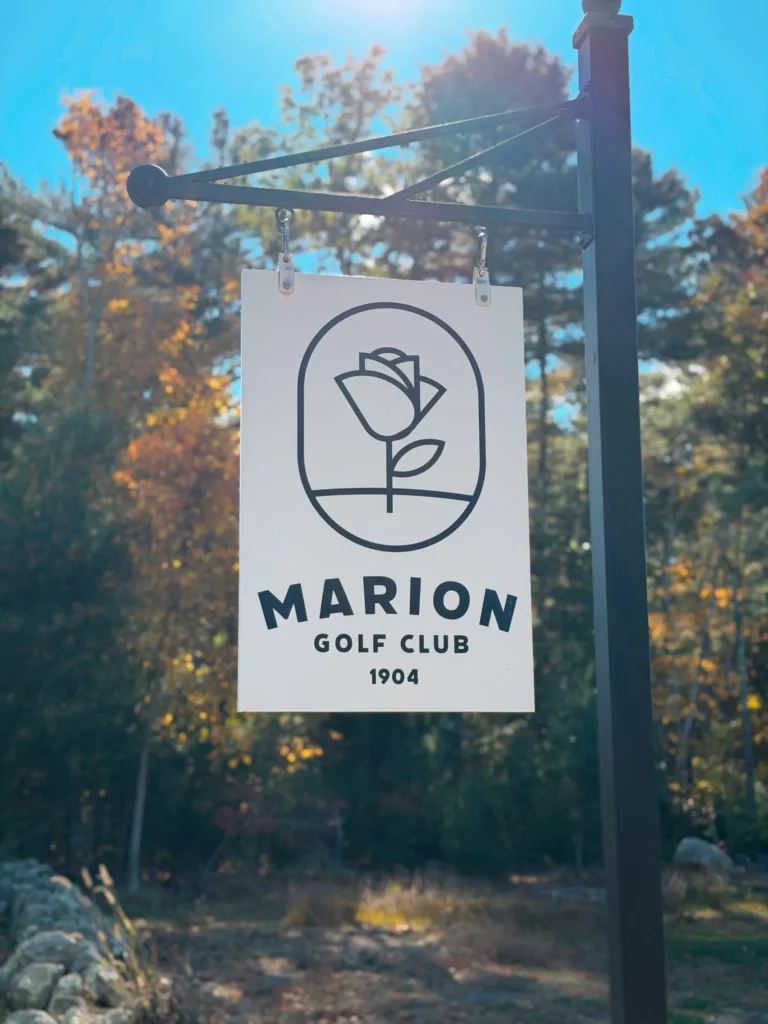
Blink and you’ll miss the small white sign for Marion Golf Club, which sits just off the side of Point Road in Marion, Massachusetts. Even after pulling into the parking lot it’s still not clear you’ve arrived, as the pro shop is hidden behind a copse of trees and there is little to indicate you are at a golf course at all. That is, until a group of golfers emerge from the trees and step onto the ninth tee across a small road from the parking lot, and it’s then you know you’re in the right place.
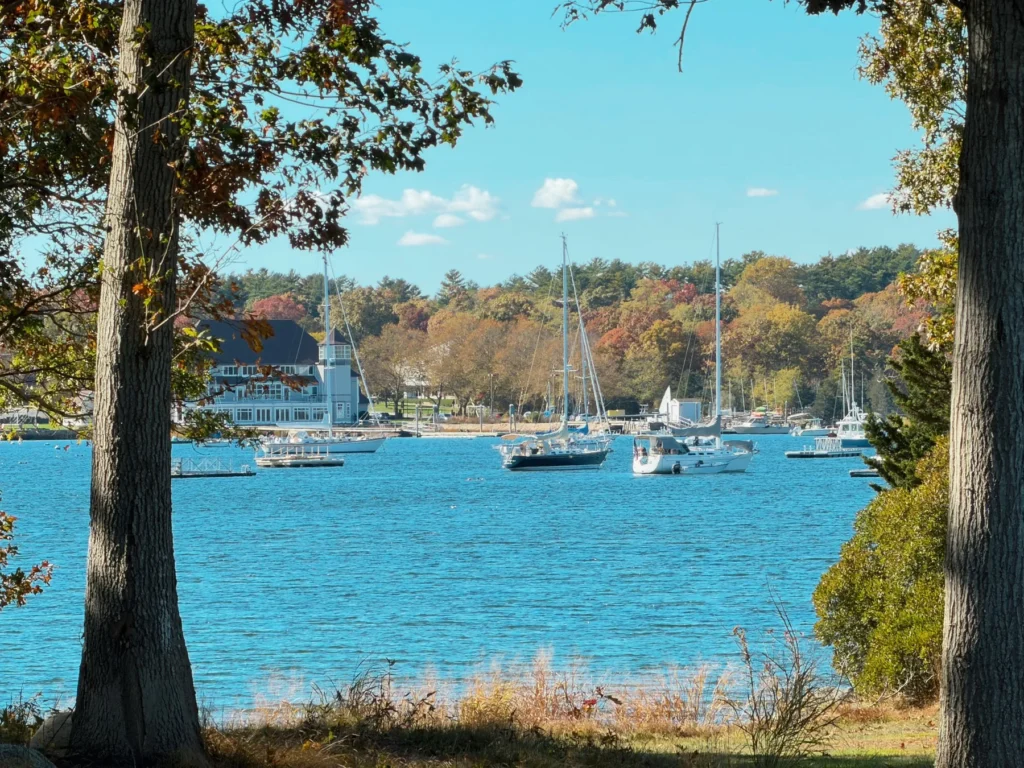
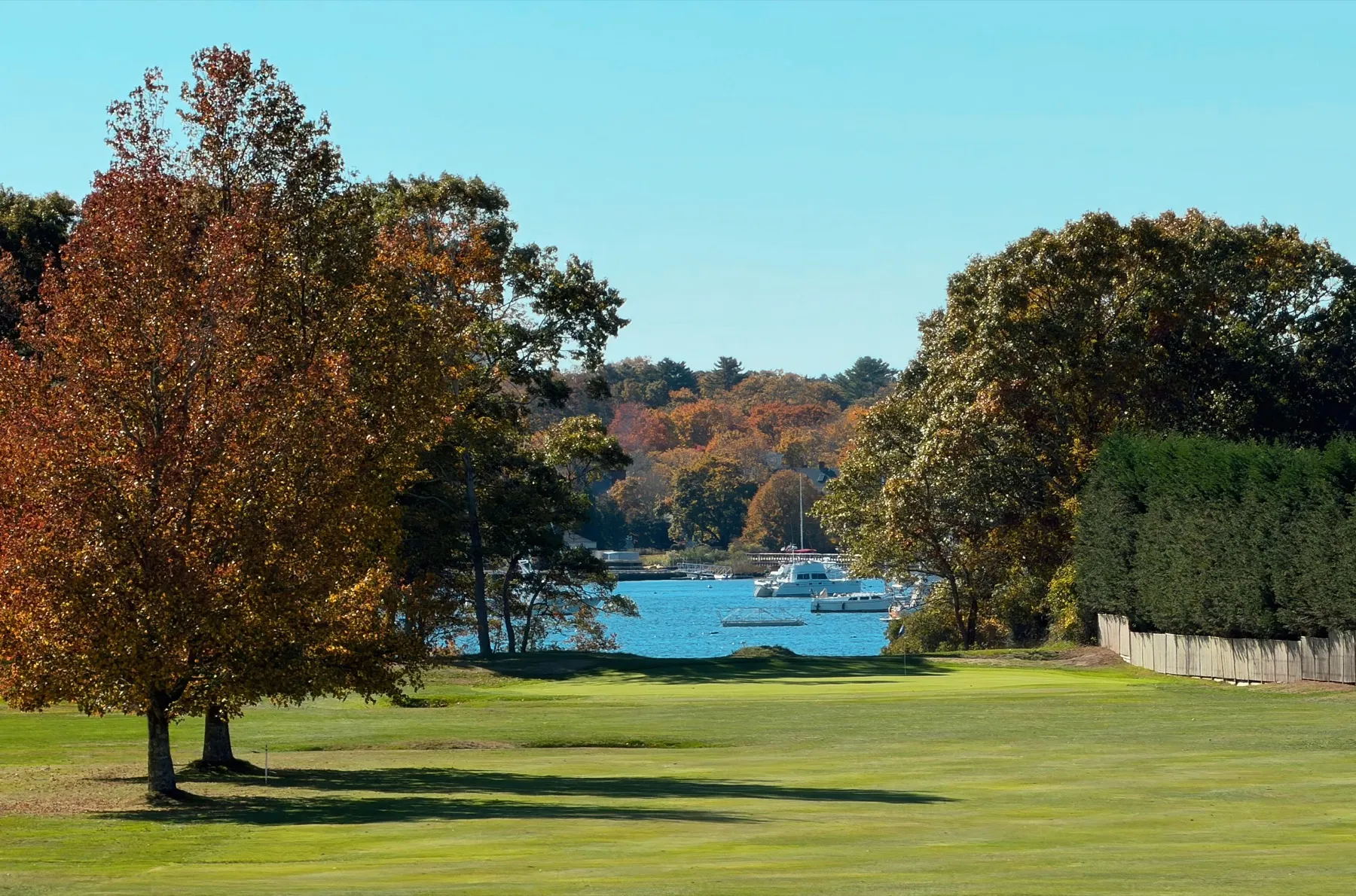
Located 35 miles west of Cape Cod and 60 miles south of Boston, the nine-hole golf course situated behind Sippican Harbor has been attracting both locals and visitors for over a century for its quirk, charm, and the architect whose name is featured on the front of the scorecard.
Established in 1904, Marion Golf Club was designed by George C. Thomas, Jr., and if the name sounds familiar, it’s for good reason. Thomas designed some of the most famous and exclusive courses on the west coast, including Riviera, Los Angeles Country Club and Bel-Air Country Club. And while it doesn’t host PGA Tour events like “the Riv” or major championships like L.A.C.C., Marion Golf Club has the distinction of being the first course that the famed golf course architect designed on his own.
“The first course I ever constructed by myself was for a small Club sponsored by William Bullivant, of Marion, Massachusetts. I have often wondered why he trusted me, and admired his sportsmanship in doing so.” – George Thomas
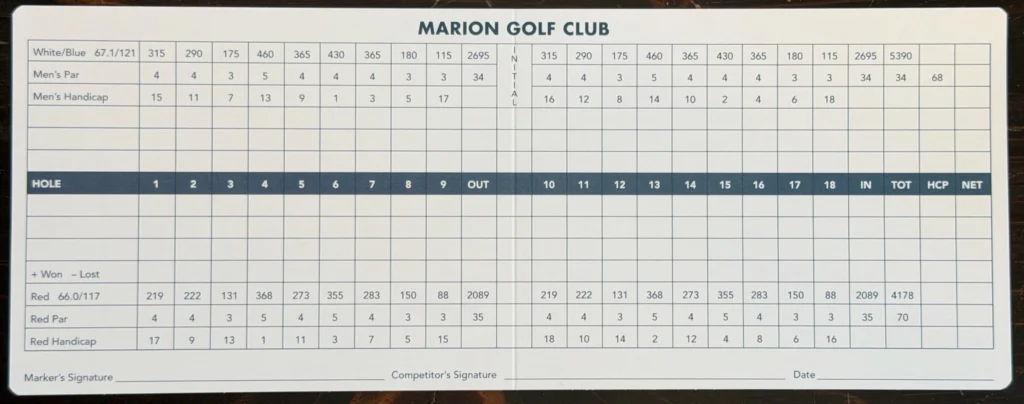
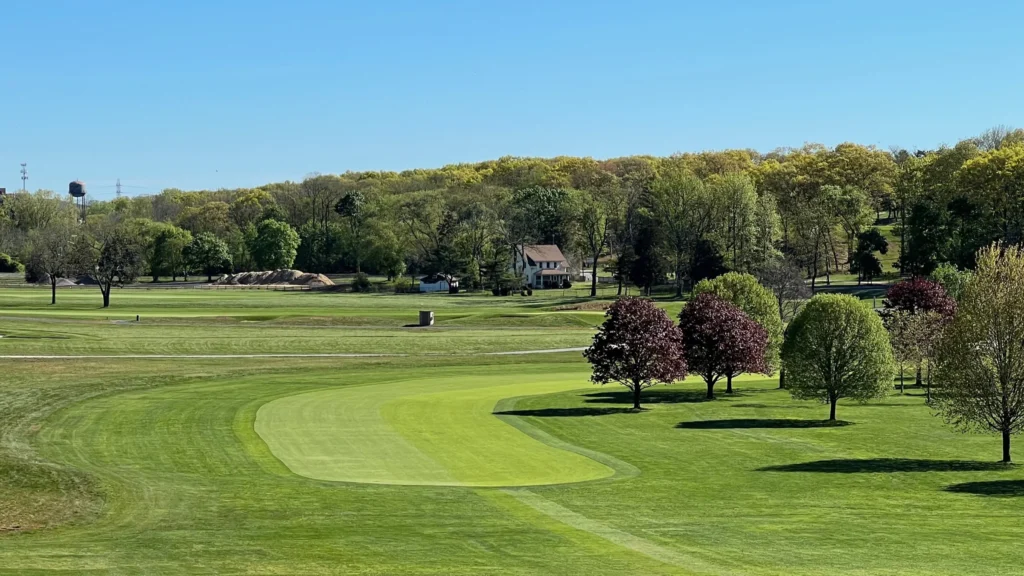
The nine-hole par 34 course measures 2,695 yards and consists of three par threes, five par fours (only one of which is longer than 365 yards) and just one par five. But what Marion Golf Club lacks in distance it makes up for with strategic design that requires every bit of the golfer’s attention—and in return, Marion Golf Club delights at every hole.
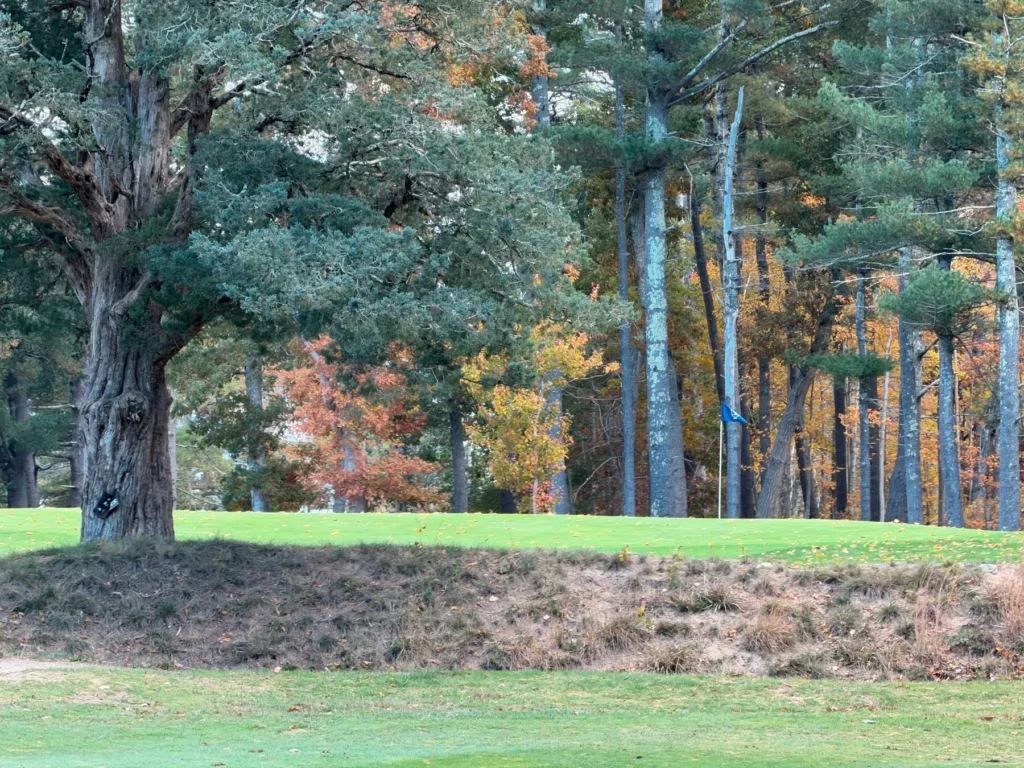
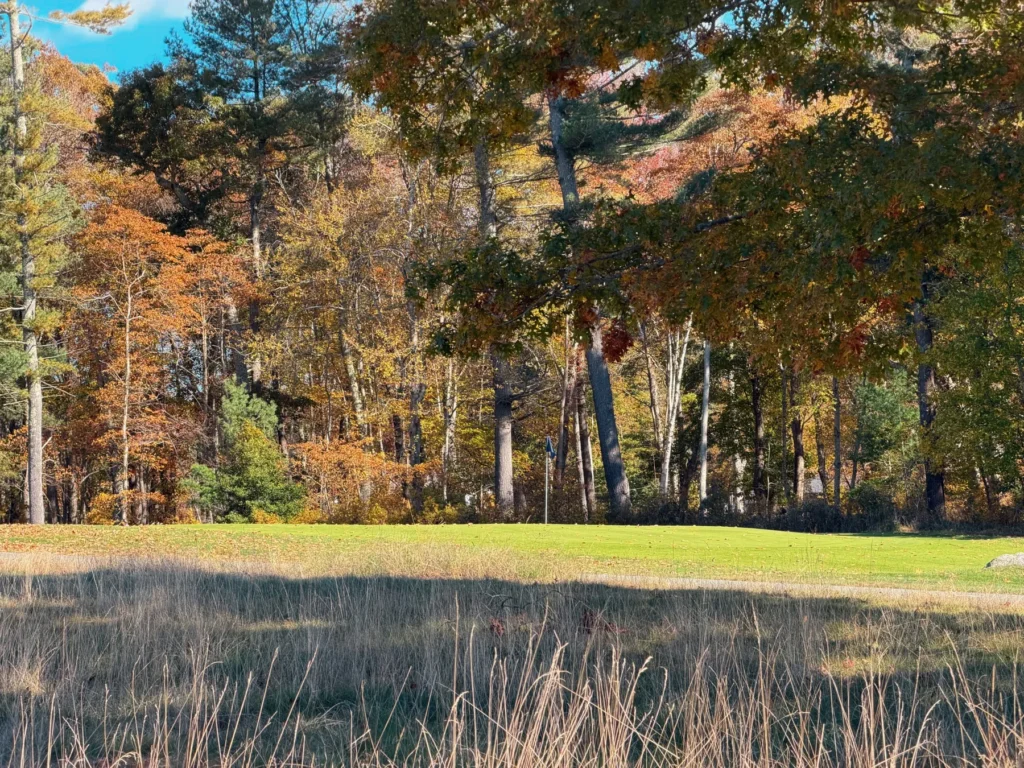
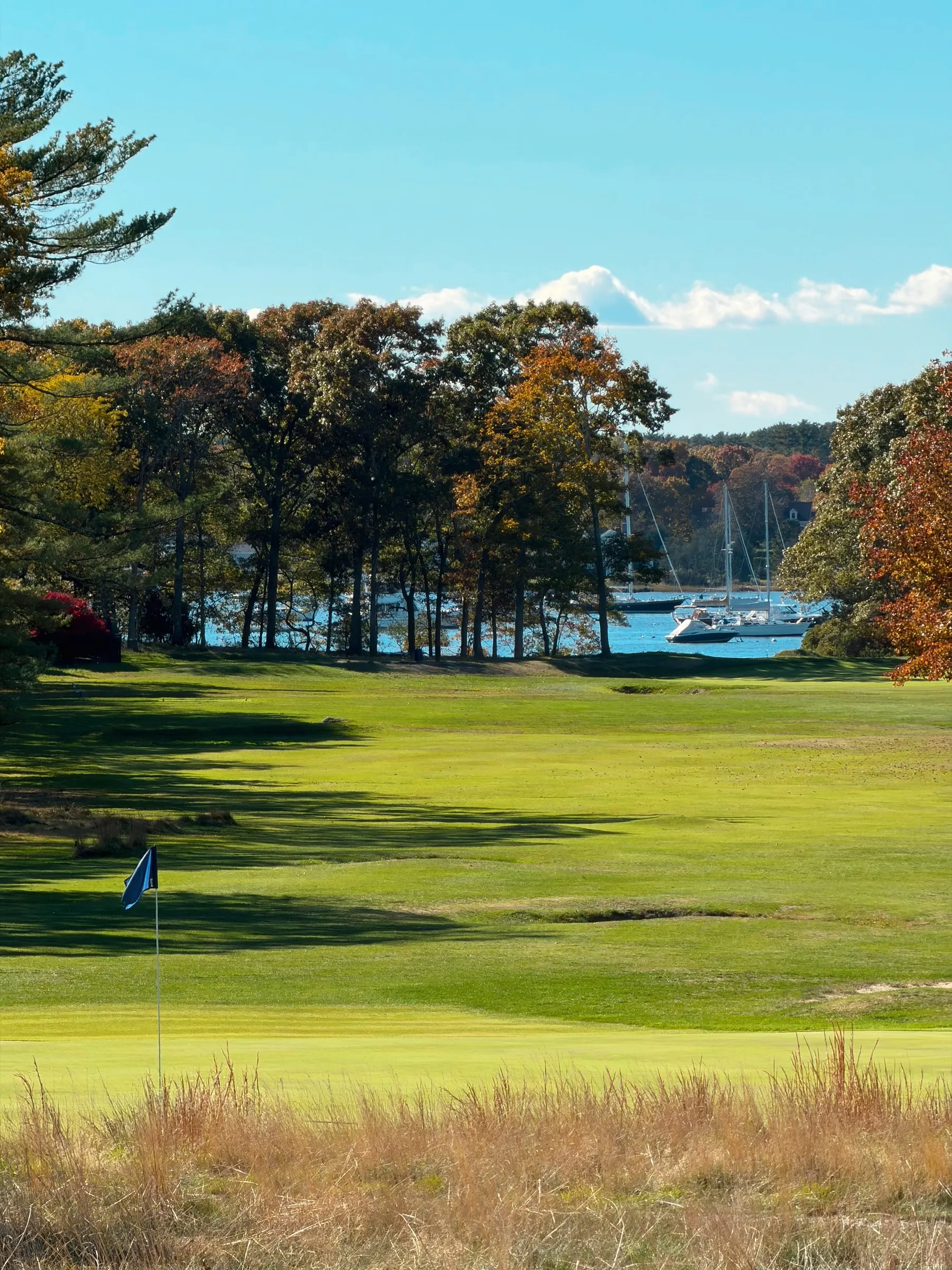
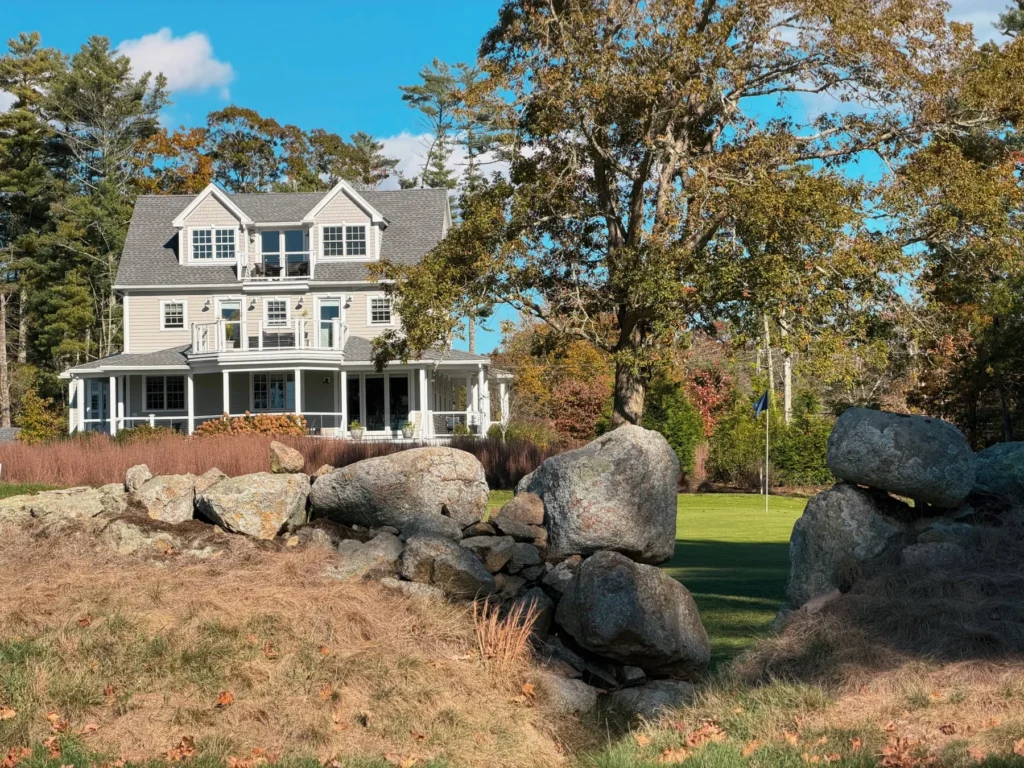
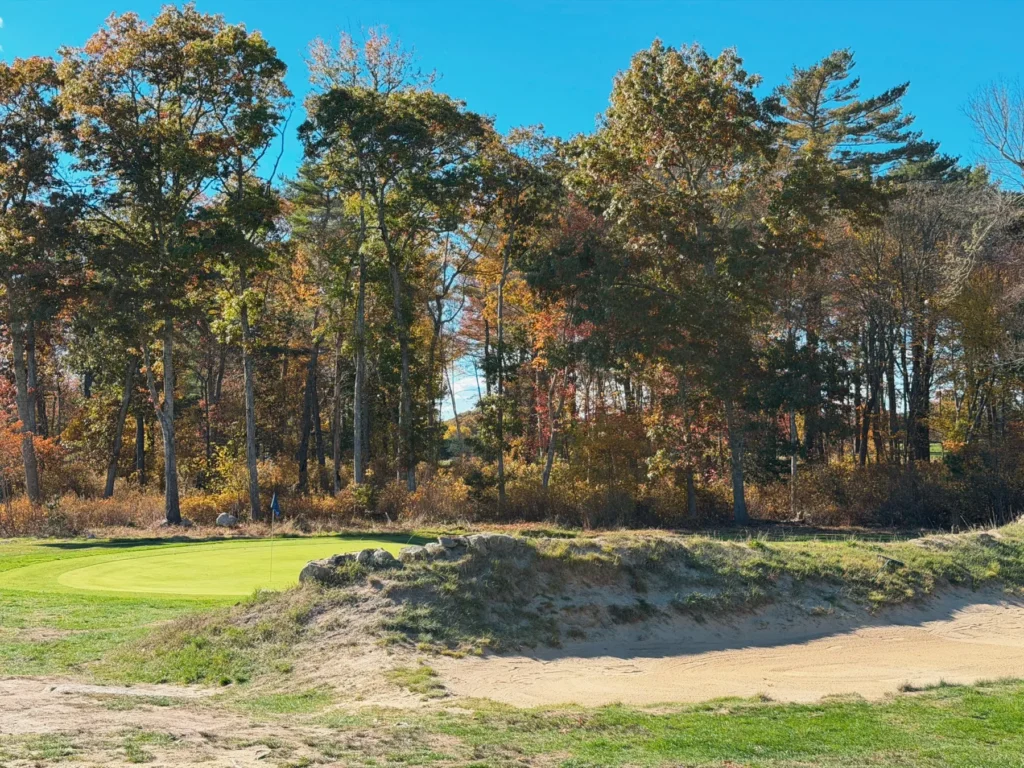
Trees, bunkers and rock walls placed at thoughtfully calculated distances from the tee make you reconsider if driver is the best play off the tee—opting for less than driver is not a bad play on any of the par fours and even the par five. Several greens are either partially or completely hidden from view by one of many rock walls on the course, adding difficulty to what might otherwise be a straightforward short iron approach.
The course’s greatest defense is its greens. Not as undulating as they are mounding and fast downhill, you’ll quickly learn you want to keep your approach shots below the pin if possible. Thomas’s brilliant design maximizes the character of the small plot of land on which the course is designed. It plays a lot like a links course and allows for varied shot-making that works through the entire bag.
Getting Started
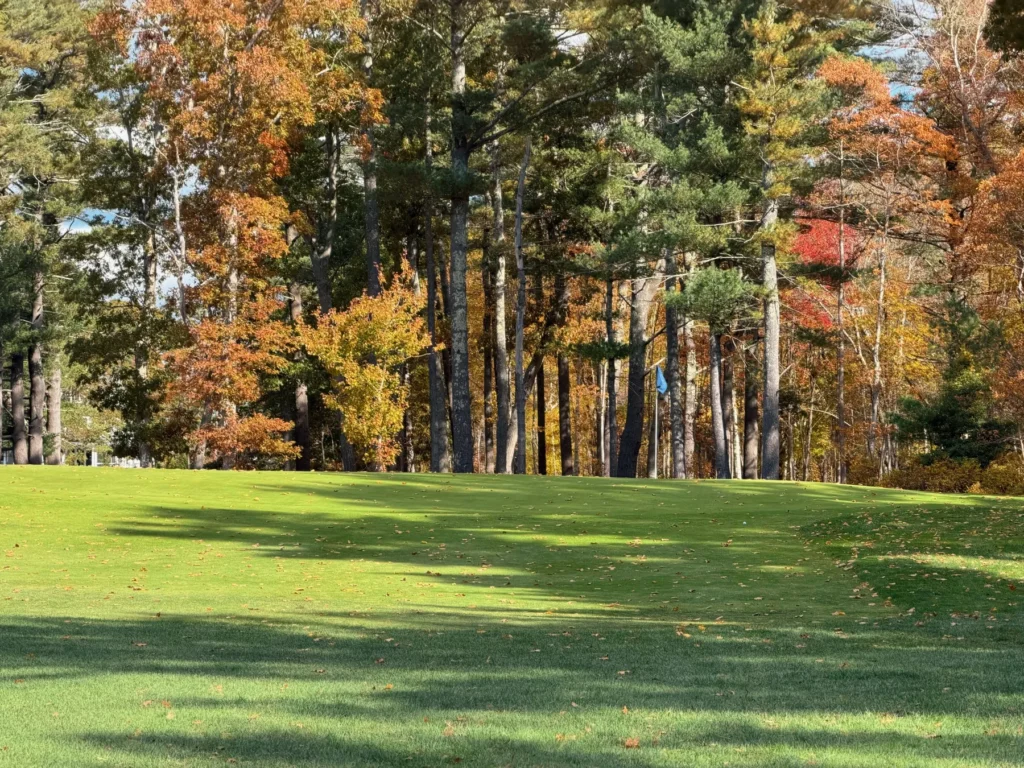
The first hole at Marion Golf Club is a 315 yard par-4 with a flat then gently downward sloping fairway. Tempting as it may be to pull driver and go for the green, doing so will require local knowledge about the correct line to take as the green is not visible from the tee. A well struck drive but too far left will find the trees and a miss to the right can get lost in the thick grass near the second tee.
If you play 18 holes at Marion, I would suggest taking the more prudent approach and play the hole with a 200 yard shot off the tee which will leave 100 yards in and a clear view of the green. Check out the line you would have to take to carry the fairway bunkers and consider going for the green the second time around if you’re feeling saucy. Pay attention to the slope down to the green and use it to your advantage, you’ll find you only need to carry it about 265 to cover the fairway bunkers and let the ball run up to the green from there.
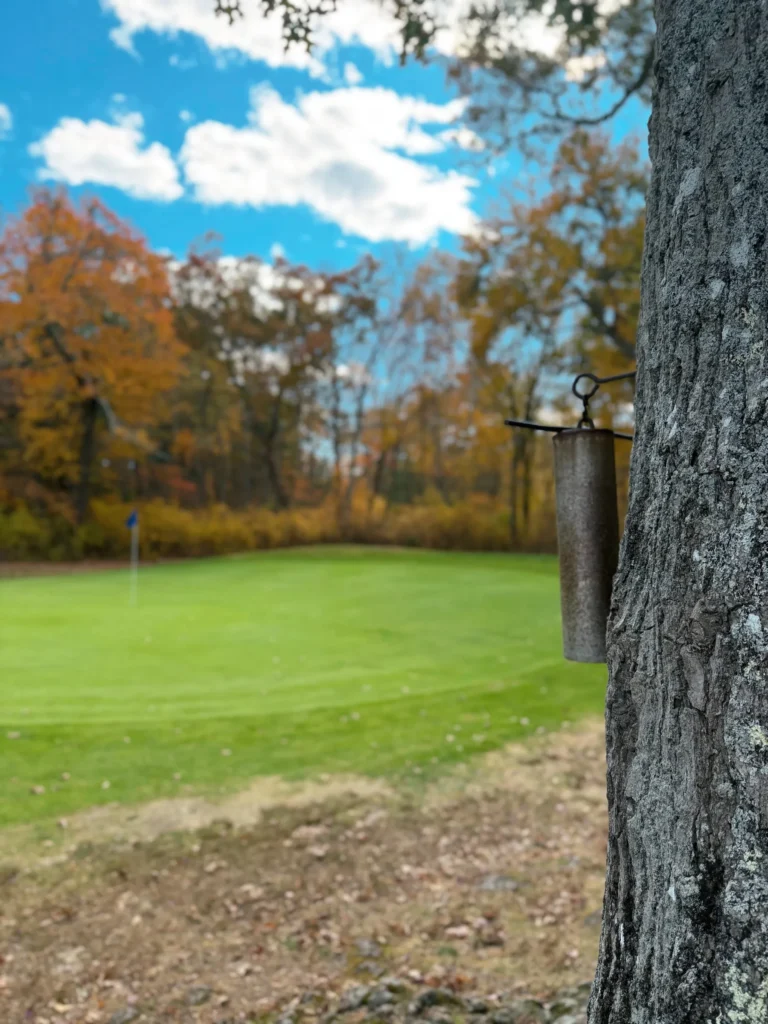
Don’t forget to ring the bell hanging on the tree on your way to the second tee to signal to the group behind you that the first green is all clear.
My Favorite Hole
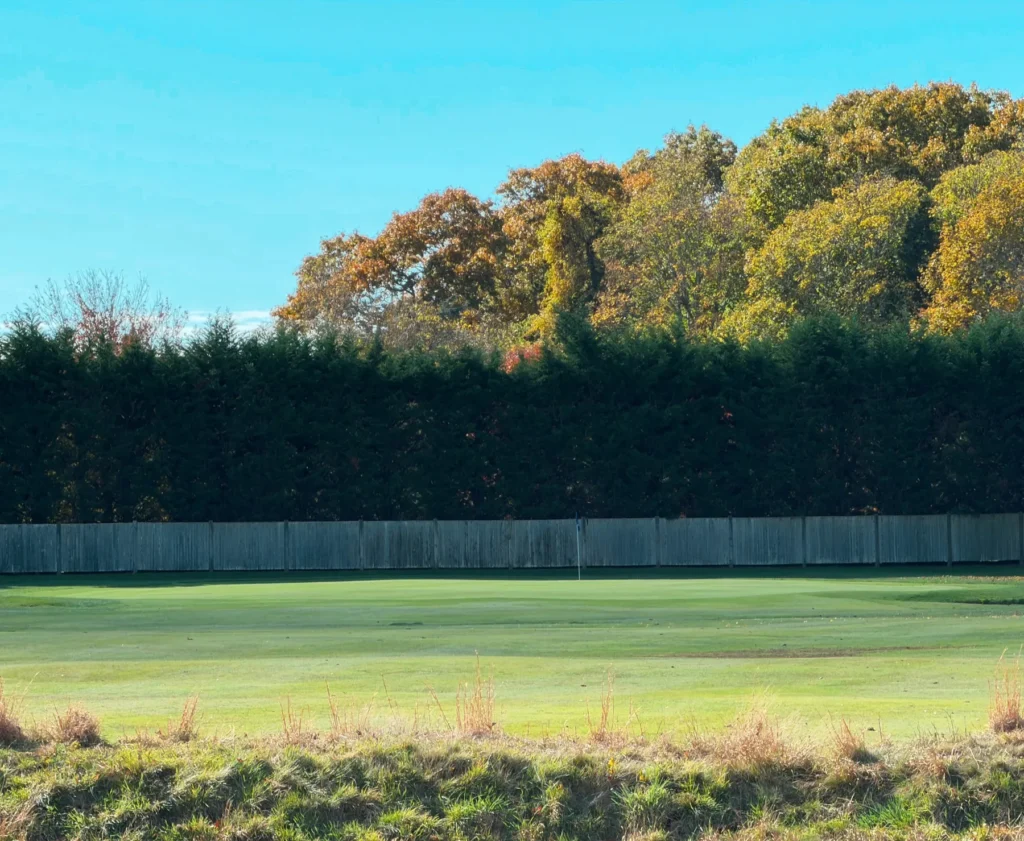
The third hole at Marion is one of the most charming par-3s I’ve ever seen. It plays 175 yards and the green is an almost perfect circle, 26 yards in diameter, but you won’t see any of it from the tee. A rock wall obscures the putting surface, allowing only the pin to be visible. Again, local knowledge is critical here to understand where the pin is on the green. Luckily, there are lots of landmarks to aim for with the immaculate, almost storybook domestic setting that sits just behind the green—A white picket fence with an arched entrance to a perfectly manicured yard in front of a gorgeous New England Colonial Revival with farmhouse influence. It’s a stunning backdrop for a golf hole. The green slopes almost entirely right to left so wherever the pin is, aim right of that and let the ball feed toward the hole.

Tips From The Golf Player
Before teeing off on the first hole make sure to get a good look at the ninth green to your right, and take note of the pin position—it’s the only time you’ll see it. The ninth green is completely hidden from view from the ninth tee, obstructed by a bunker and a rock wall.
Since Marion is a nine hole course, to play 18 is to play each hole twice. To add variety, try playing one nine from the blue tees and the second nine from the white tees.
Marion Golf Club One Club Championship
Every summer Marion Golf Club holds a one club championship. Nine holes. One club.
With only one par-4 over 400 yards and one par-5, there is a lot of strategy to which one club would work best. I’ve thought about it a lot since my round at Marion—what one club would I use? I’d like to have as many full shots into the greens as possible and I can find a lot of 180 yard shots on the course:
- The par-3 third and eighth holes are 175 and 180 yards respectively.
- The fifth and seventh holes are 365 yards, divided by two is 182.5 yards.
- The lone par-5 fourth hole at 460 yards can be managed to leave 180 yards in on the approach.
- Holes two and three can be managed to leave 180 into the greens.
My stock 6-iron is 185 yards so I’m thinking that would be my club of choice.
That leaves the 430 yard par-4 sixth hole as perhaps not quite reachable with two full 6-irons but I could potentially see trying to blade one off the tee and let it run to maybe get some more distance, but that could also go terribly wrong. Would be fun to try.
And oh boy, the 115 yard ninth hole. What to do here with that short carry over the bunker. I guess I would have to open the face and try a chippy 6-iron, maybe bail out long and left and try to get up and down for par. It’s a trade off for all of the other full 6-irons I’d have into many of the other greens.
“When you play a course and remember each hole, it has individuality and change. If your mind cannot recall the exact sequence of the holes, that course lacks the great assets of originality and diversity.” – George Thomas
While Marion Golf Club may not be a bucket-list destination course, it’s certainly worth going out of your way to visit should you find yourself in the greater Boston or Cape Cod areas. With harbor views, a generously open tee sheet and reasonable rates, Marion Golf Club is a diamond in the rough—a course you will remember for a long time.
A Photographic Look at Marion Golf Club