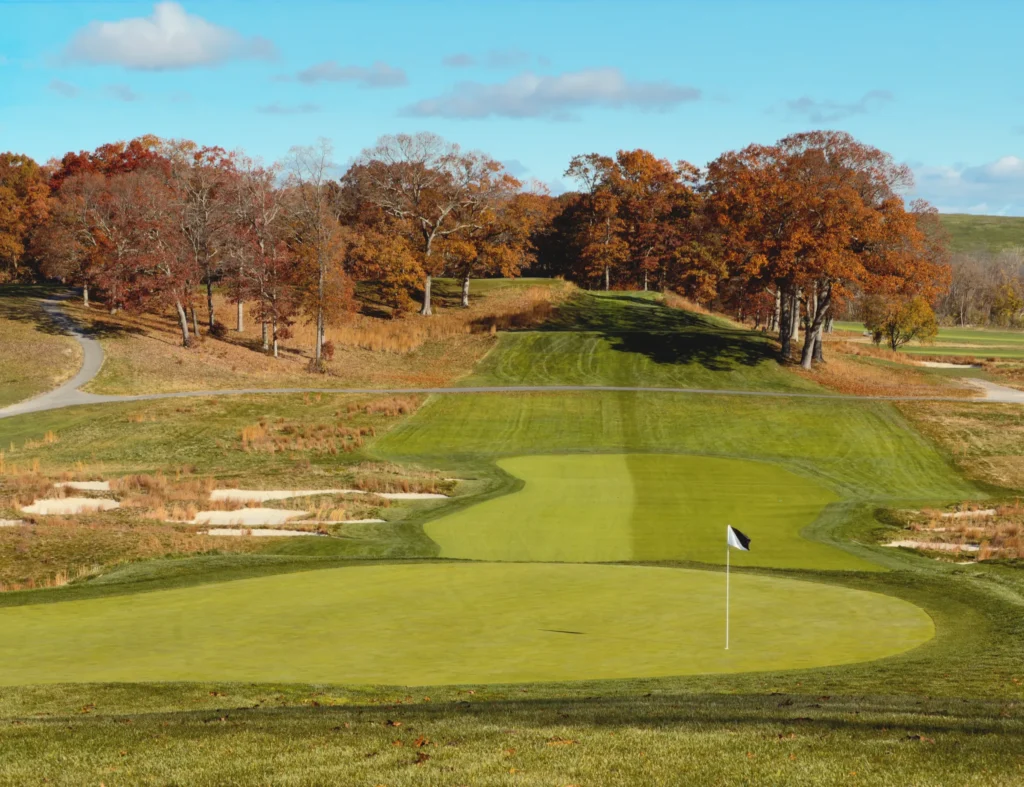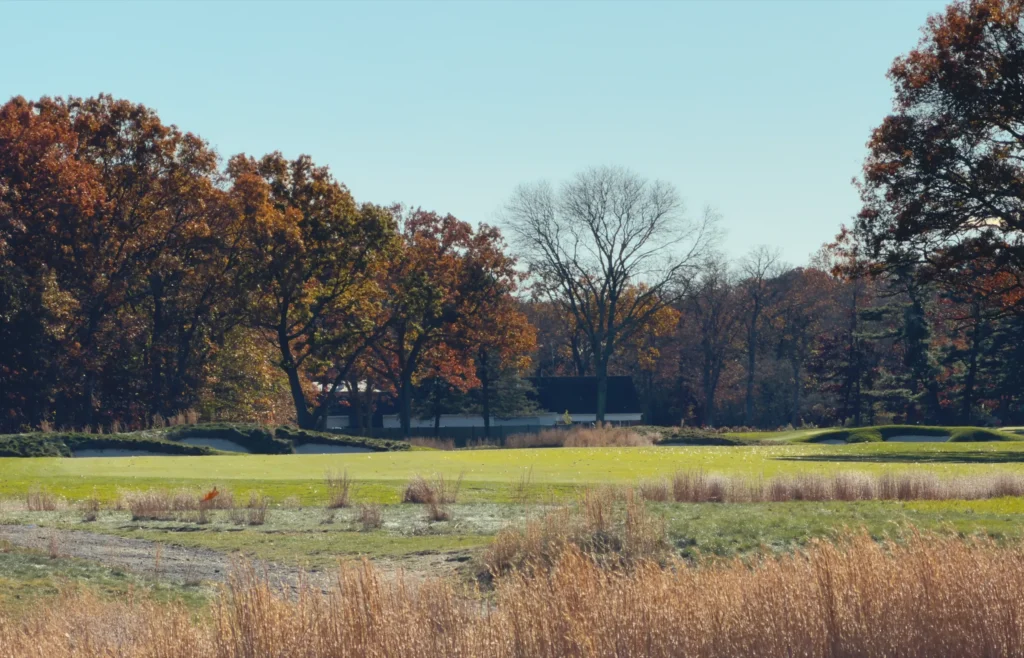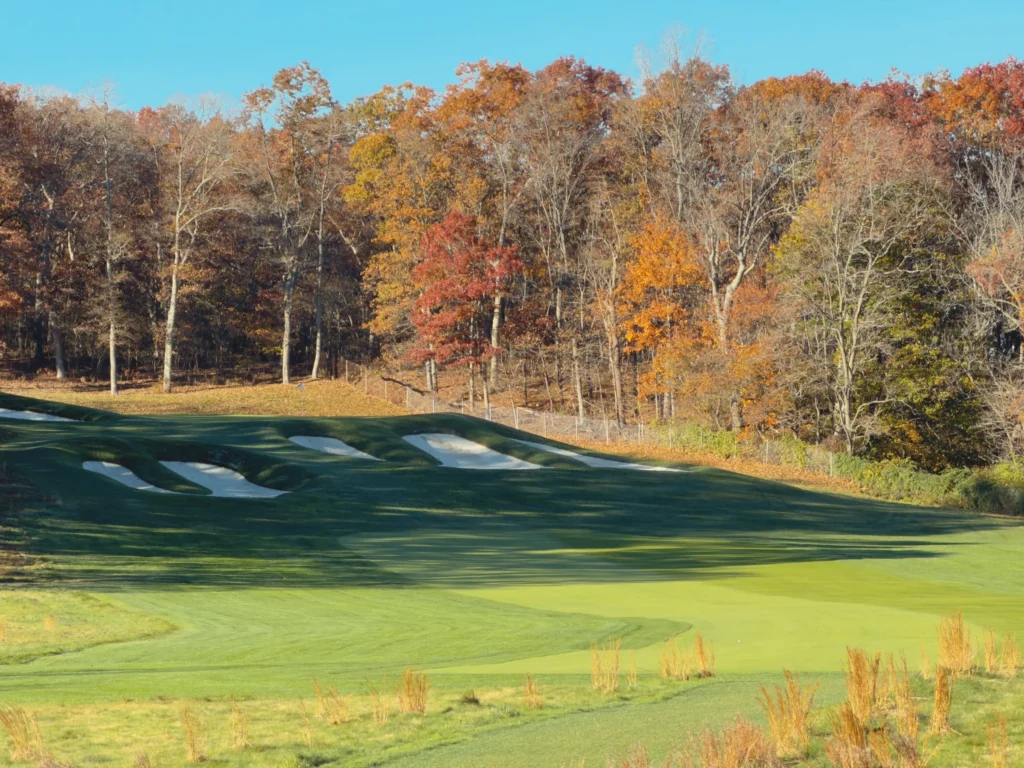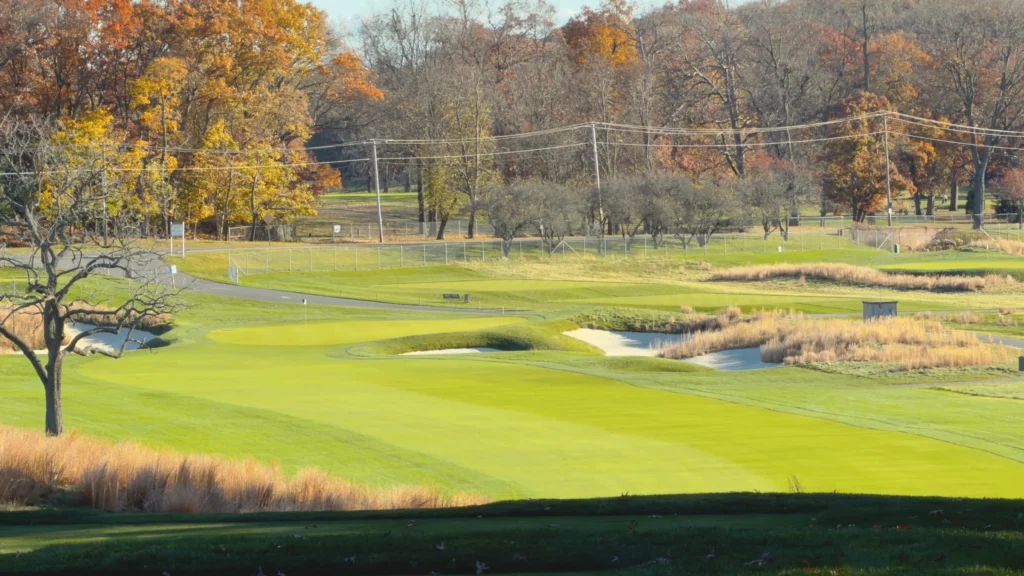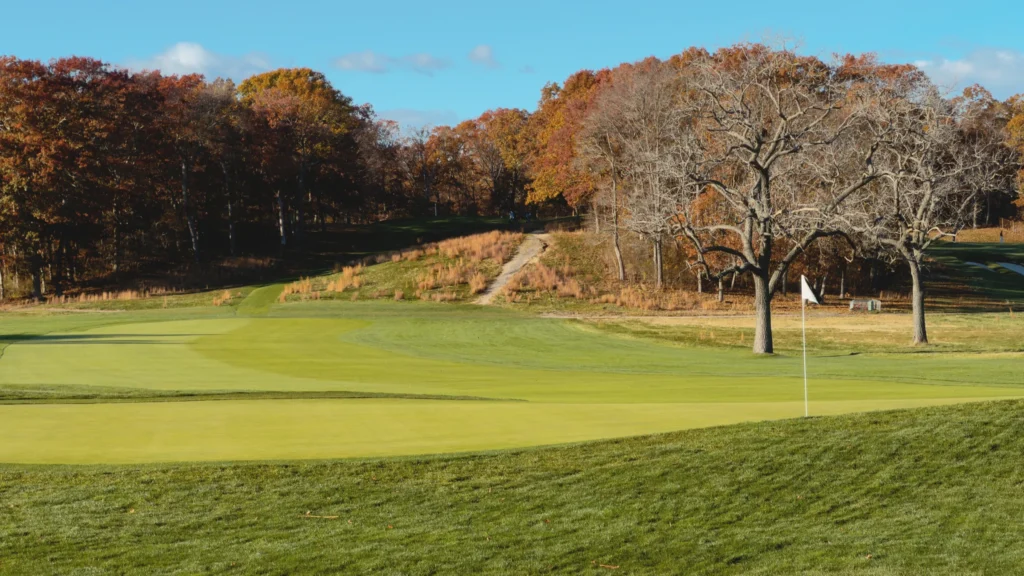
Every time I play Bethpage Black, I take a look at the pin position of the 18th hole before I tee off. The approach to the 18th green is elevated and blind, so I take a peek at where the pin is before starting my round and make a note where the fat part of the green is—information that will come in handy about four hours and 45 minutes later.
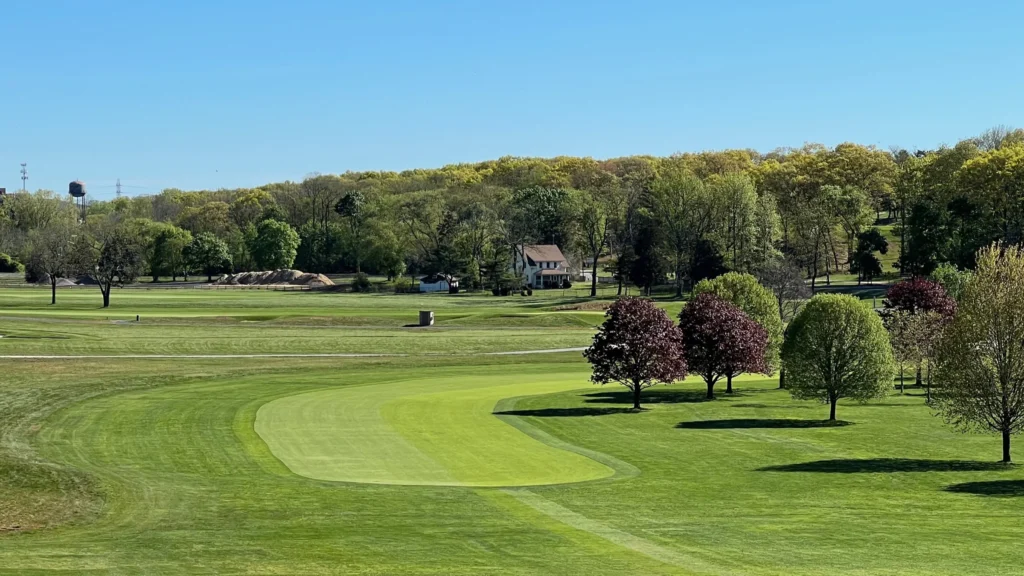
When I took a look at the 18th green this past Sunday, the pin position looked unusually close to the left edge of the green.
“Room right, not much room long,” I wrote down.
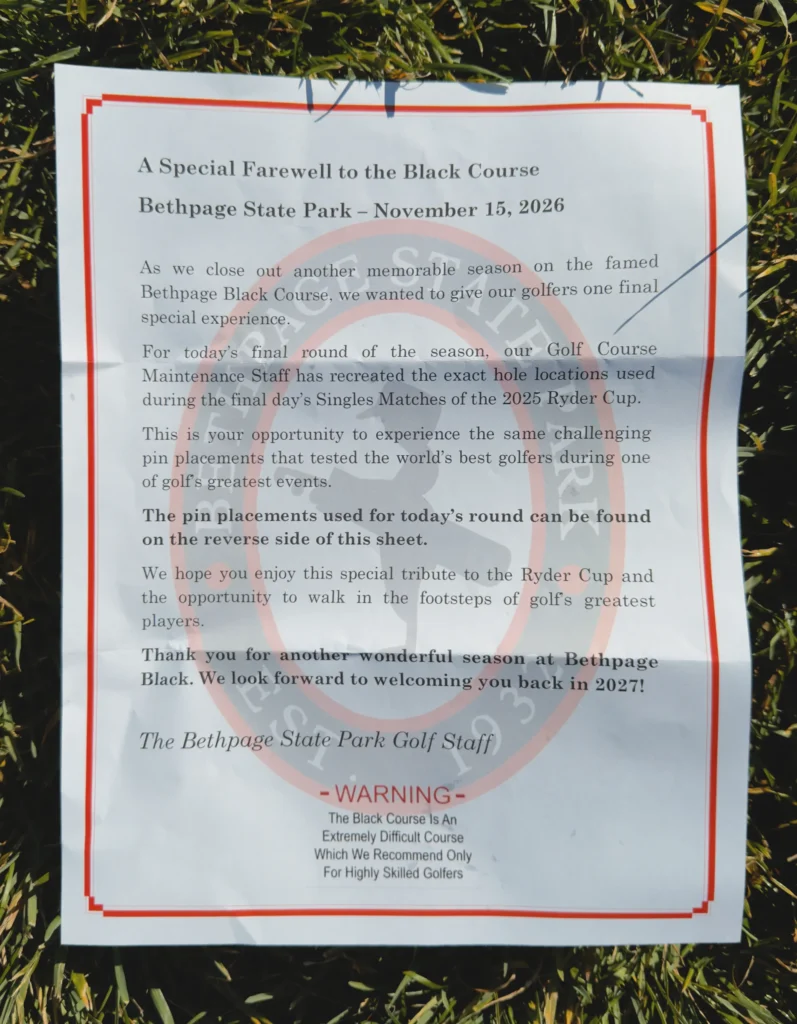
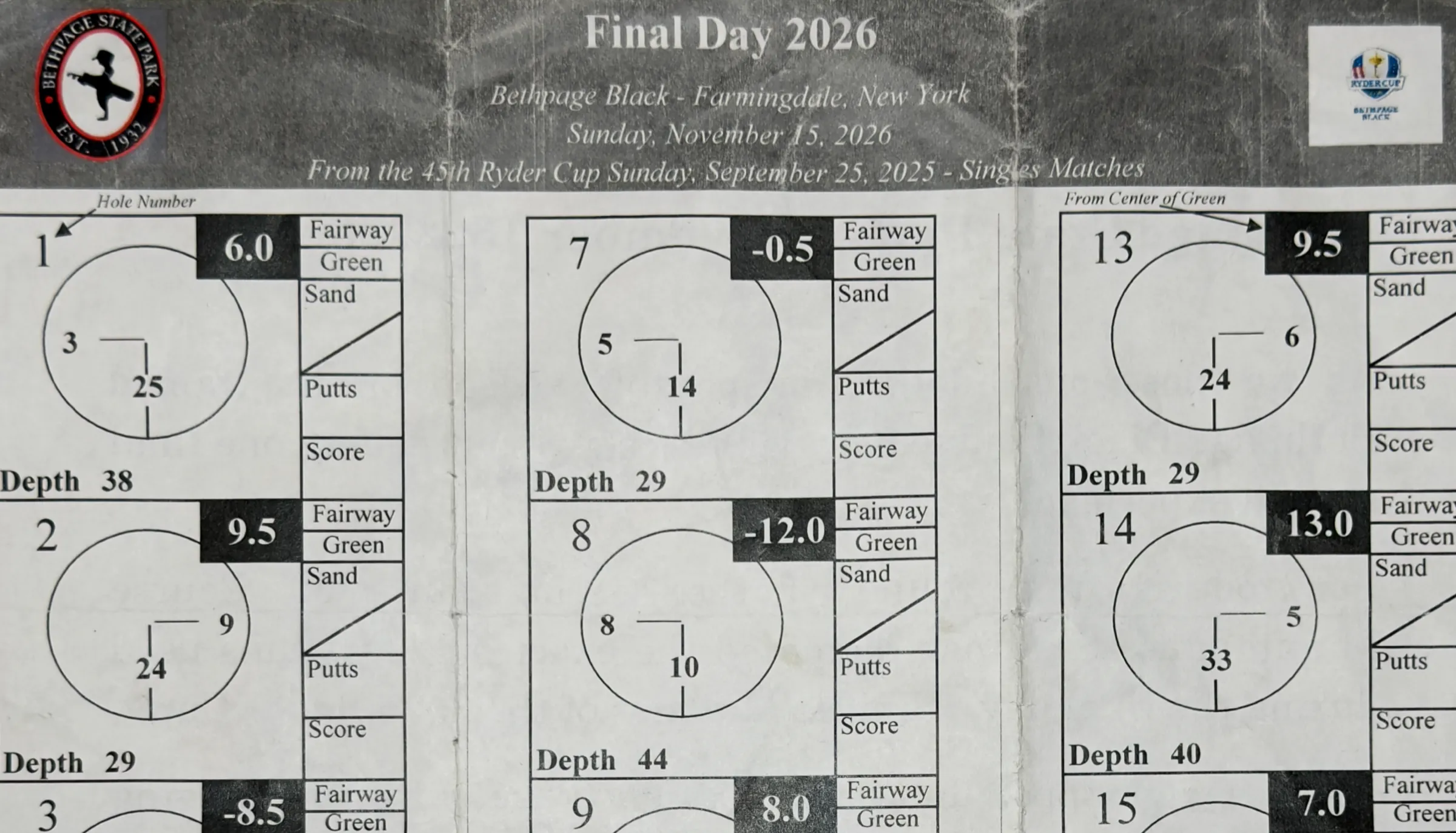
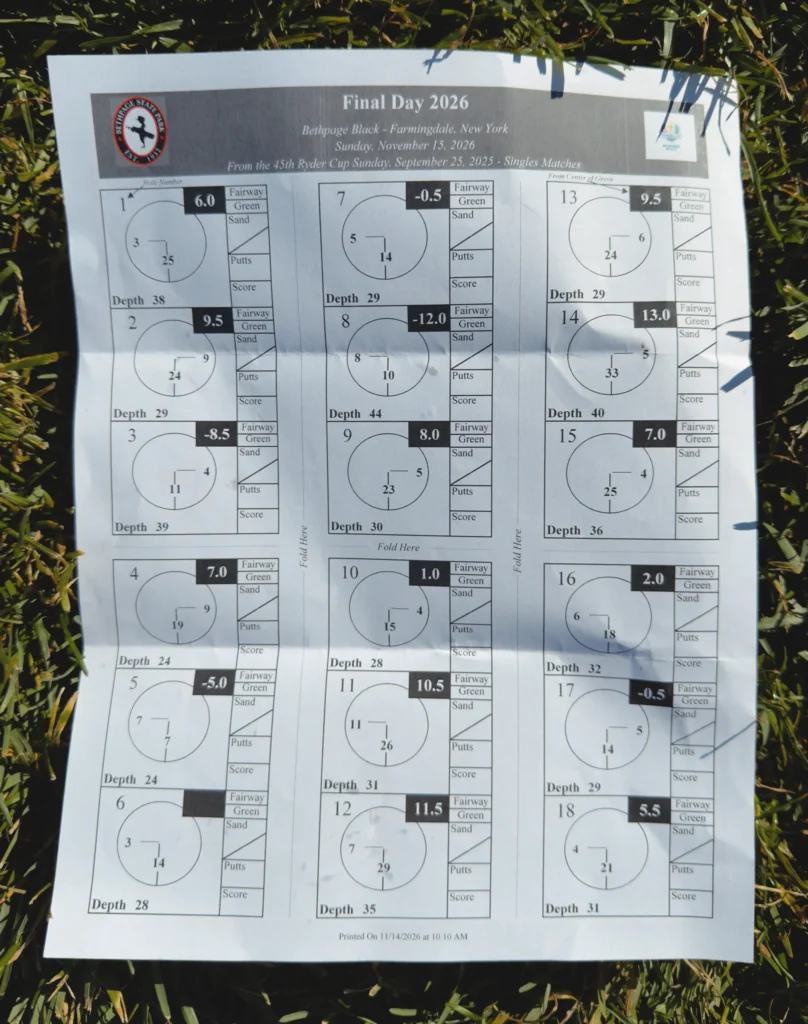
Upon checking in with the starter, I was made aware of the reason for that pin position, by way of a double-sided sheet of paper he’d handed to me, which read:
A Special Farewell to the Black Course
Bethpage State Park – November 15, 2026As we close out another memorable season on the famed Bethpage Black Course, we wanted to give our golfers one final special experience.
For today’s final round of the season, our Golf Course Maintenance Staff has recreated the exact hole locations used during the final day’s Singles Matches of the 2025 Ryder Cup.
This is your opportunity to experience the same challenging pin placements that tested the world’s best golfers during one of golf’s greatest events.
The pin placements used for today’s round can be found on the reverse side of this sheet.
We hope you enjoy this special tribute to the Ryder Cup and the opportunity to walk in the footsteps of golf’s greatest players.
Thank you for another wonderful season at Bethpage Black. We look forward to welcoming you back in 2027!
– The Bethpage State Park Golf Staff
I was stoked.
As I folded the pin sheet in half and then into thirds to make it pocket-sized, I excitedly checked out the pin position on the first hole before hitting my tee shot.
25 paces from the front of the green.
3 paces from the left.
For context, there is no rule in golf dictating how close to the edge of a green a hole can be placed. The Rules of Golf leave that decision to the Committee, meaning there is technically no such thing as an “illegal” pin position. A hole can be placed anywhere on the putting surface as long as it’s cut correctly, although complaints might pile up if a hole was placed one foot from the edge of the green. So while there isn’t an official rule, there are recommendations.
In a 2013 article published by the USGA titled The Hole Was Located Where?, agronomist Larry Gilhuly explains that holes should generally be placed at least five paces from the edge of the green for regular play. For tournament play, Gilhuly recommends going down to four paces. That’s already a fairly aggressive recommendation, particularly on fast greens. For majors and world-class events like the Ryder Cup, pins can push to just three paces from the edge of the green.
And that is precisely where I found the pin on the first green as I did the math to determine where to aim my approach. I hit a good drive off the tee, but with the cool temperatures, decent hurting wind and still damp ground conditions from recent rain, was unable to clear the corner of the dogleg. I was left with 152 yards from the right rough, having to hit over a tree.
I started using the Decade course management program about two years ago to help give me some structure around choosing lines and yardages, where to miss, and where to not. The Decade baseline numbers recommend that you should aim no less than 5% of the distance of the approach yardage from the edge of the green, meaning, with a pin located three yards from the edge of the green, I’d have to have a 60 yard approach or less to be able to reasonably aim at it.
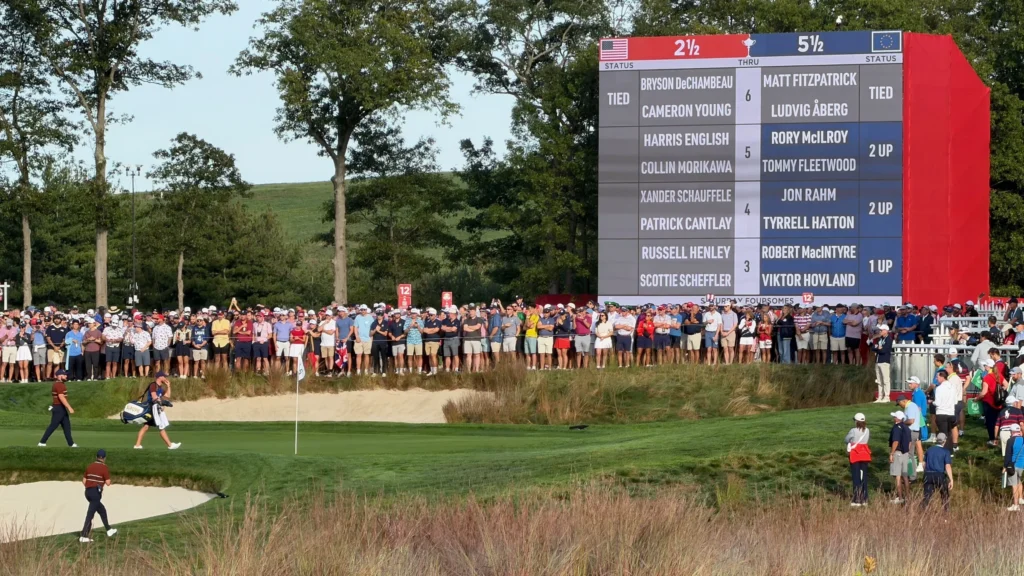
Many players during the 2025 Ryder Cup did have less than 60 yards in to the first green. To accommodate the large crowds, a new tee box was created on the first hole which allowed for a massive grandstand to wrap around the first tee and 18th green. The new tee box also meant the first hole was shortened to 397 yards, down from 430 yards, encouraging players to try and drive the green, or at least get close.
For us mere mortals from the normal blue tees, it was a different story.
From 152 yards, my line was going to be at least 7.5 yards from the left side of the green. In other words, nowhere near the pin. The widest part of the first green is only 16 yards, so anywhere on the green would have been a great result from my distance and position in the rough.
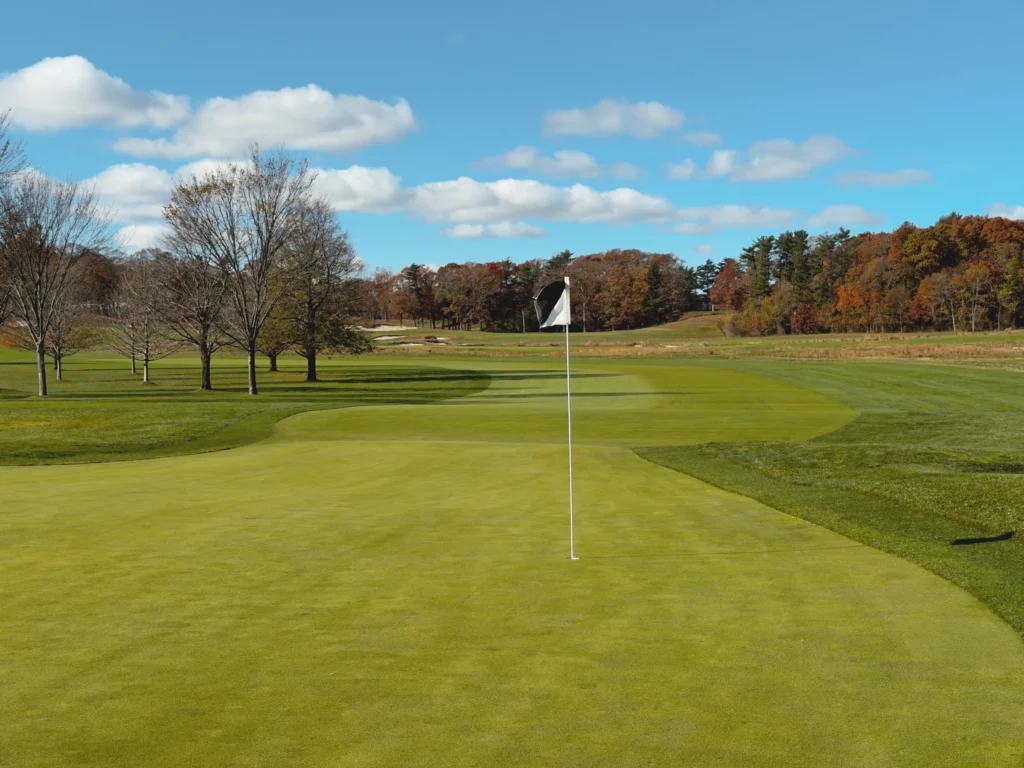
I hit a decent approach, navigating the rough and hitting over the tree, but pulled it slightly. My ball ended in the rough just left of the green, about six paces short of pin high.
The greens were very fast, so if I landed my chip on the green, it would have rolled well past the hole. To avoid this, I played a little pitch that landed in the fringe and tumbled slightly onto the green, finishing about 8 feet short of the hole. I made the putt for par, but I quickly learned my first lesson:
You Cannot Miss Short-Sided
I got away with that one, but with pins cut this close to the edge of the greens, you absolutely cannot miss short sided. Doing so would require a very risky chip to try and get it close, or force a safer shot that would leave a lengthly putt for par. A short-sided miss had bogey written all over it, maybe worse if you tried to get too cute with the chip.
To avoid missing short-sided meant playing to the fat side of the green and accepting that you were going to have longer putts. This became my strategy for the day.
Not every hole had a pin cut just three paces from the edge of the green, however. In fact, only the first and sixth holes had pins tucked this tight, and they happened to be holes where players during the 2025 Ryder Cup had the shortest distances into the green.
I found the par-3s had some of the more accessible pin positions. The beautiful par-3 third was playing 185 yards, slightly downwind. Despite the pin being just four paces from the right side of the green, there was room short and left that would leave a 20-footer or less.
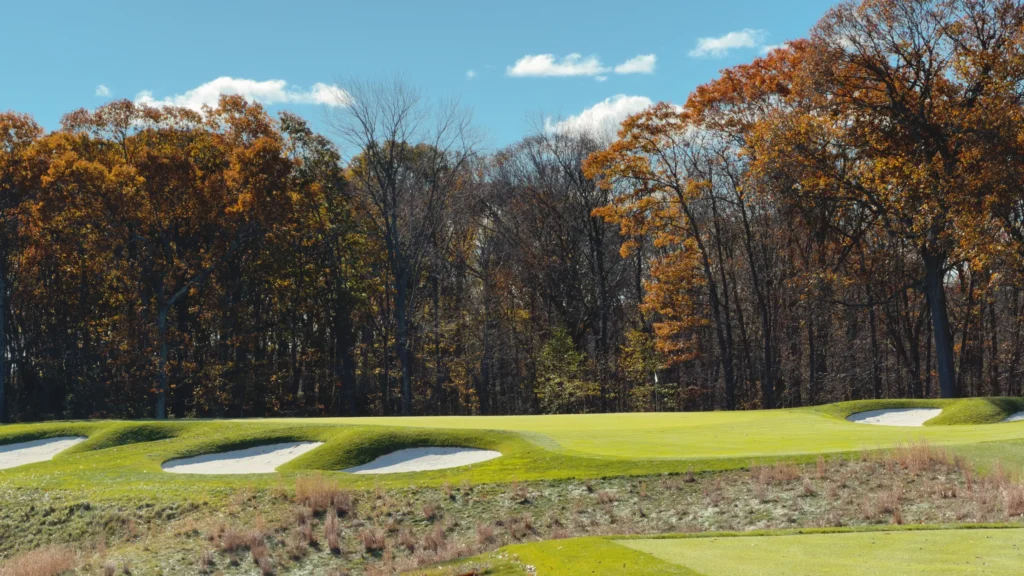
I hit a good 6-iron that landed on the front left portion of the green. The greens were receptive from recent rain and there was very little roll out. I was left with about a 20-footer slightly uphill. But I misjudged the speed of the putt, hitting it much too firm and leaving a sneaky quick eight-footer coming back down the slope. I missed the putt for par and walked off with a disappointing three-putt bogey, and my second lesson:
Tucked Pins Put Pressure on Lag Putts
The putting surfaces on Bethpage Black range from average to fairly large, especially when the pin is pushed all the way against one side or another. Since I was largely aiming away from pins to avoid missing short-sided, I left myself a lot of lag putts. With the greens rolling as fast as they were, it was very easy to overestimate how much harder you might need to hit an uphill putt and underestimate how softly you needed to hit a downhill putt, especially if you had a lapse in focus.
What started as a good tee shot on the third hole quickly led to a three-putt bogey. I had to be much more careful in identifying the amount of uphill or downhill slope to the hole to better gauge the speed on longer putts, especially since I would be left with a lot of them throughout the day.
It also put into perspective just how good PGA TOUR players are at putting, specifically their speed control on lag putts. Once you take into consideration the conditions they play in, the faster greens and much more tucked pin positions, their lag putts can be considerably more difficult than they appear on TV. Playing the Ryder Cup Sunday pin positions and getting a taste of the conditions these guys play in really illuminated just how difficult those putting conditions can be.
TOUR players are also really good at missing in the right locations and they face their share of long lag putts as well. But their tempo and speed control is excellent and impressively they averaged just 0.46 three-putts per round in the 2026 PGA TOUR season.
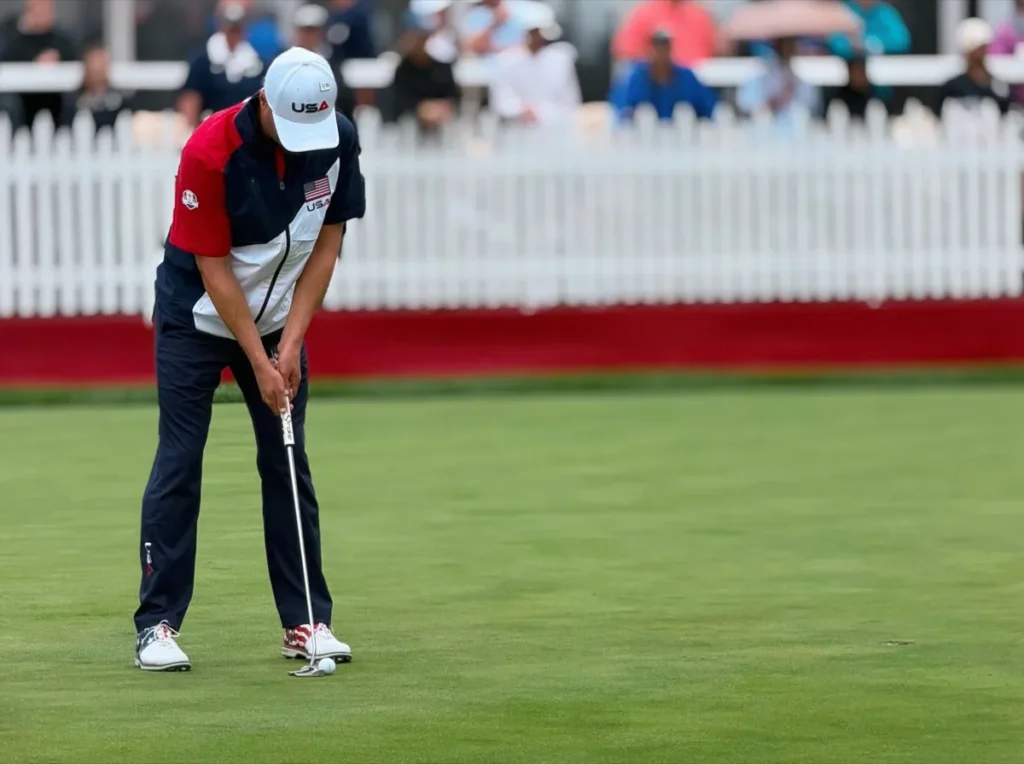
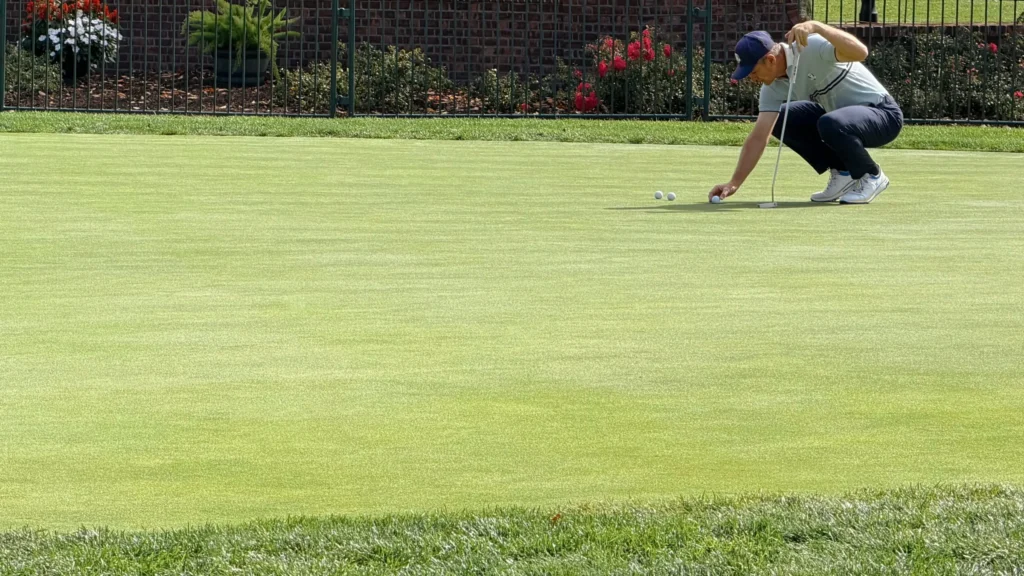
While watching players warm up on the putting green prior to teeing off at the Ryder Cup at Bethpage Black, I noticed they spent a lot of time working on putts from 12 feet and in, and relatively little time on speed control for longer lag putts. I wondered whether they knew the percentages weren’t in their favor of making those longer putts, so their practice time was better spent on the ones that could make the difference, or whether their tempo was so dialed in that they weren’t too concerned about three-putting.
I was just three holes into my round and had my first three-putt. It wouldn’t be my last.
Pars Are Good
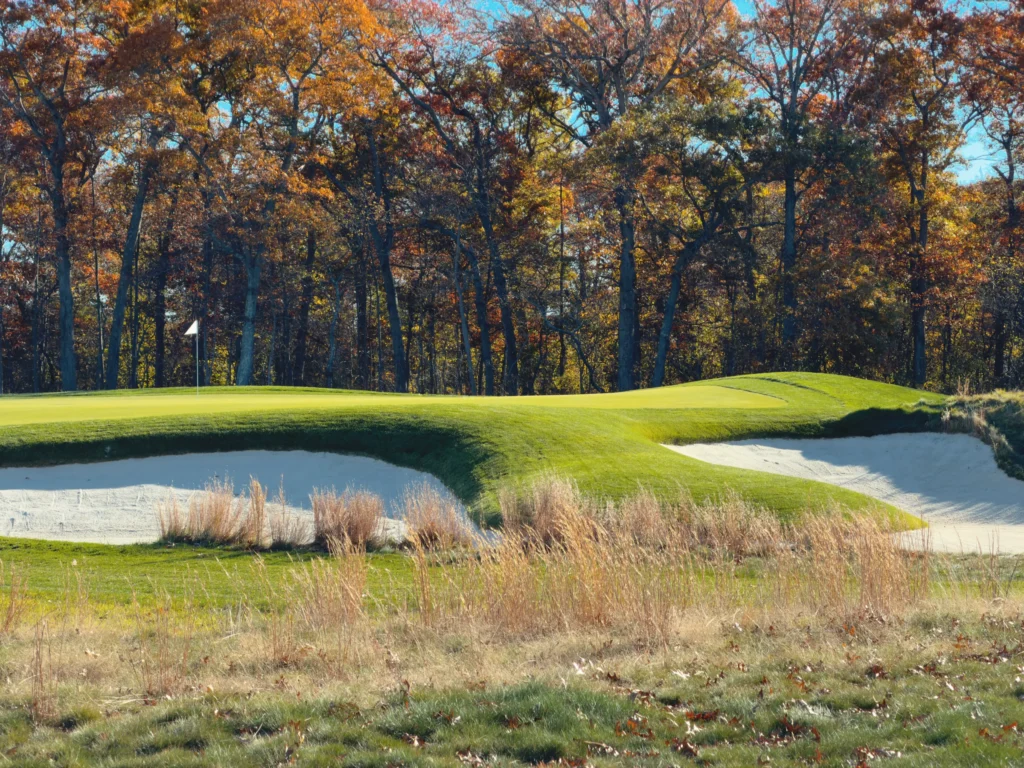
I had my first real look at a birdie on the sixth hole. A pushed drive found the right fairway bunker, leaving a blind, downhill 155-yard shot. The pin was again tucked just three paces from the left side of the green, meaning that from where I lay in the bunker, I wasn’t thinking about the pin at all. I hit a well-struck 8-iron that happened to draw a little more than I planned, finding the sliver of green to the left of the pin. This is where the Decade baseline played out perfectly. Had I aimed at the pin, I would have missed the green left. I happened to draw it and found the left side of the green, but it wasn’t my intention from the outset. That left me with a nervy downhill 12-footer for birdie.
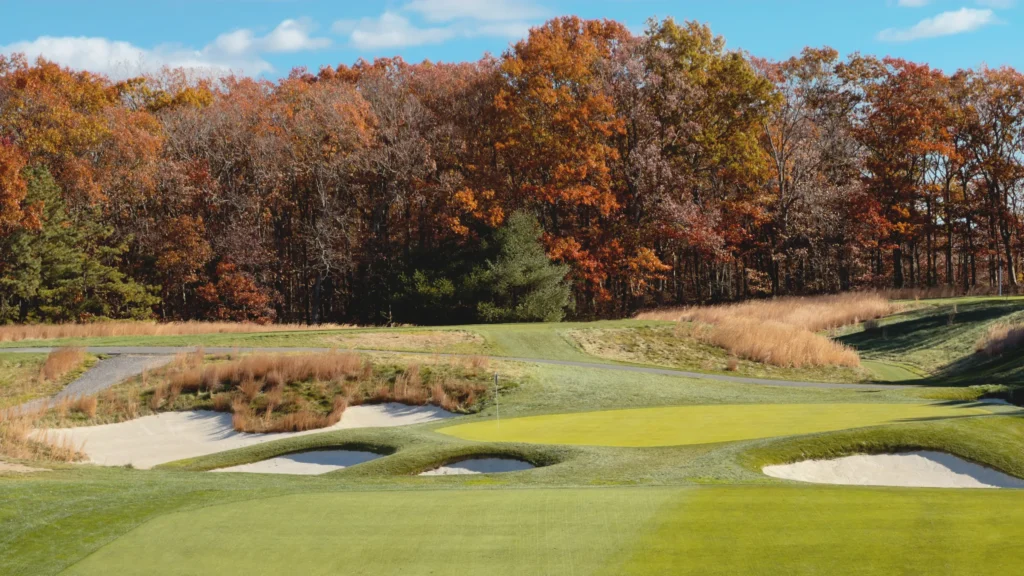
The putt was extremely fast, and I was still very much on the defensive after my three-putt on the third. I barely tapped it and actually left the putt a few revolutions short. While I hate leaving such a good look at birdie short, I accepted the fact that pars are good under these conditions.
There’s More Break Than You Think
In my past experience playing Bethpage Black, the breaks on the greens are often quite subtle. Sure, a couple of the greens have more obvious slope than others, but many of the greens and more central pin locations don’t have a lot of movement to them, especially as you get closer to the hole.
I asked Sam Burns, one of the best putters on the planet, about this during a press conference at the Ryder Cup last year. What is his green-reading approach for subtle breaks?
“For me, it’s committing to a line that I’ve read,” Burns said. “I think the worst
thing you can do in putting is kind of be unsure. Because a lot of times if you’re unsure, you don’t really make a good stroke or don’t really have good speed.”
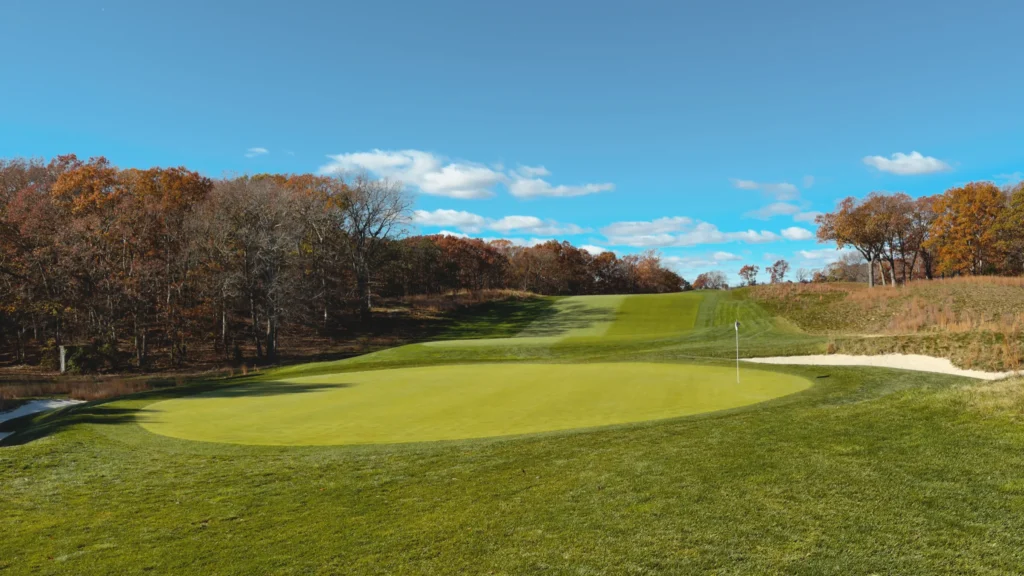
What I didn’t know at the time when I asked that question was that there was actually more break to the greens than I thought. Once the pins were moved to the edges, like they were during Sunday’s singles matches at the Ryder Cup, I was experiencing different contours of the putting surface that I hadn’t before, and I found myself under-reading them. After getting the speed wrong a couple of times on long putts and under-reading others, I needed to take a page from Burns’ playbook and commit to the line rather than let previous putts get in my head and becoming unsure.
It was really fun seeing pins in positions I hadn’t really seen before, and it gave me a new appreciation for the green contours. They’re not as subtle as I thought.
My Favorite Pin of the Day
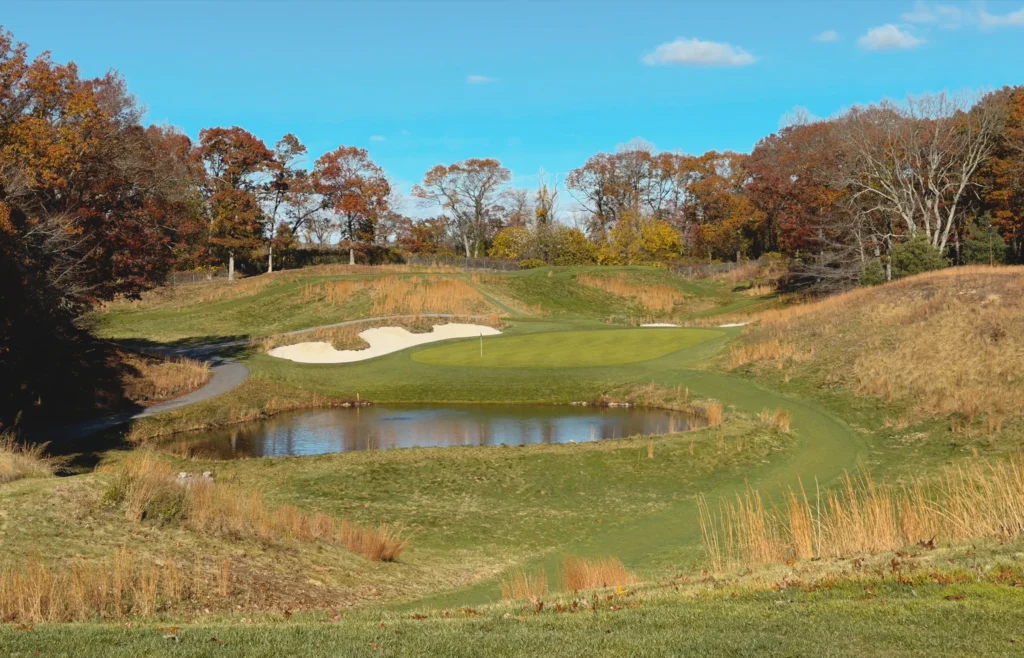
One hole that had a pin position that I had never played before was the par-3 14th hole. The pin was tucked way in the back right corner, five paces from the right side and seven from the back. From the tee, it was very dramatic seeing the pin so far to the right with this massive green to the left. If your ball landed on the front left portion of the putting surface, you’d have about 120 foot putt to the back right corner pin position. That’s how wide the 14th green is.
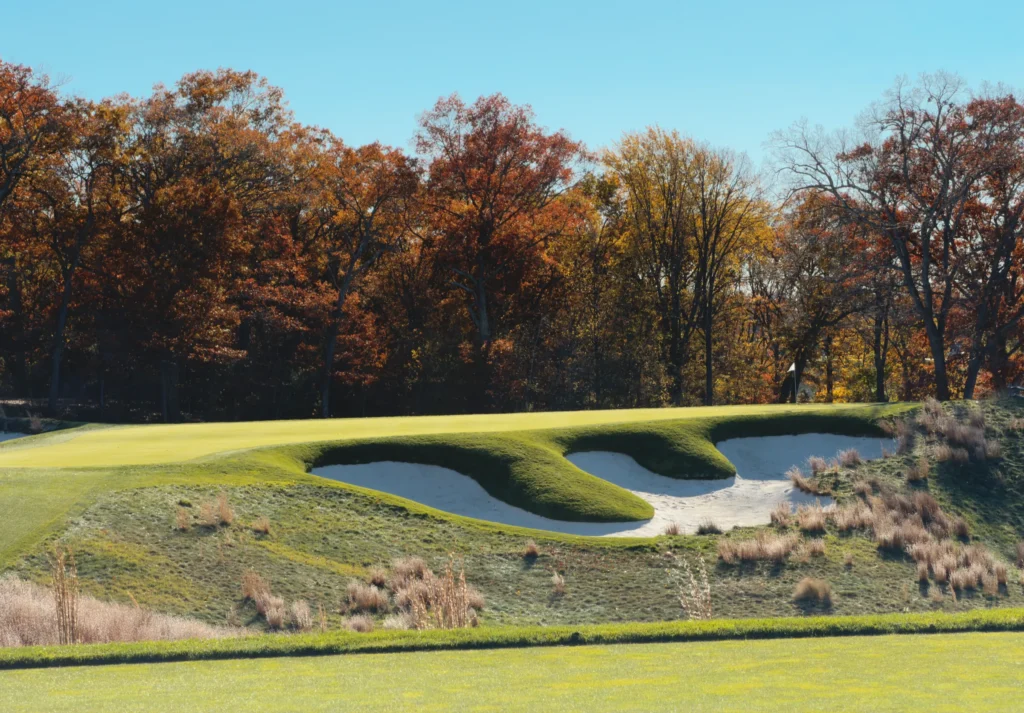
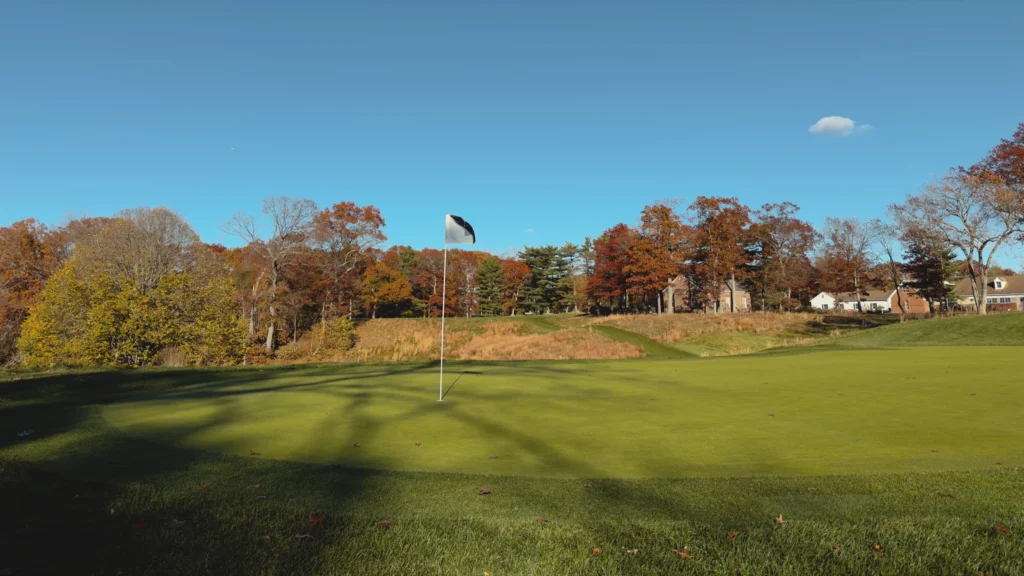
I actually preferred a back pin position on this hole. I’m always slightly between clubs here, so with the pin in the back it was an easy decision to go with more club.
The hole was playing about 160 yards, so I was aiming no less than eight yards from the right side of the green. That put my target about three yards left of the pin, and I aimed even a little farther left than that just because I wanted nothing to do with missing the green to the right. I hit a knockdown 7-iron exactly where I was aiming, which landed pin-high about 18 feet left of the hole.
It was a makeable putt, but I wasn’t trying to force the issue. I was happy to walk away with a two-putt par.
Don’t Let One Putt Affect the Next
On the day, I hit nine greens in regulation, and of those nine greens, I three-putted three times. All three of my three-putts were the result of hitting my lag putt too hard. As a result, when I had a makeable putt within 15 feet for birdie, I was very tentative and either under-read the break or didn’t get the ball to the hole for fear of running it way past. Despite the tight pins I did manage to get a couple good looks at birdie, however I wasn’t able to convert any of them.
This was a lesson I learned a little too late in the round, but a good one to carry forward nonetheless. I shouldn’t have let past mistakes creep into my current shot. Just because I hit a couple of putts well past the hole doesn’t mean I’m going to bang every putt well past the hole.
As the old adage goes, one shot at a time. Easier said than done sometimes.
A Humbling Experience
Overall, it was a very fun challenge playing Bethpage Black with the Ryder Cup Sunday pin positions. What a treat.
It’s hard to appreciate when watching golf on TV just how tucked these pins really are. You often see a camera angle from behind the player and a Shot Tracer line following the ball to the green, but unless you see the pin position relative to the whole green, it’s difficult to appreciate just how close to the edge they are.
Playing these pin positions gave me a much better appreciation for what the professionals face. There is a lot of risk involved taking on pins like these, and playing to the fat part of the green sometimes isn’t a bargain either. Those can leave hefty lag putts that require excellent speed control and can easily invite three-putts if you’re not careful.
Bethpage Black will reopen in April 2027, so I have a few months to work on my tempo and speed control before taking on the Black Course again.
One thing’s for sure: Now that I’ve experienced some of the most difficult and demanding pin positions on Bethpage Black, the pins can only get easier the next time I play it.
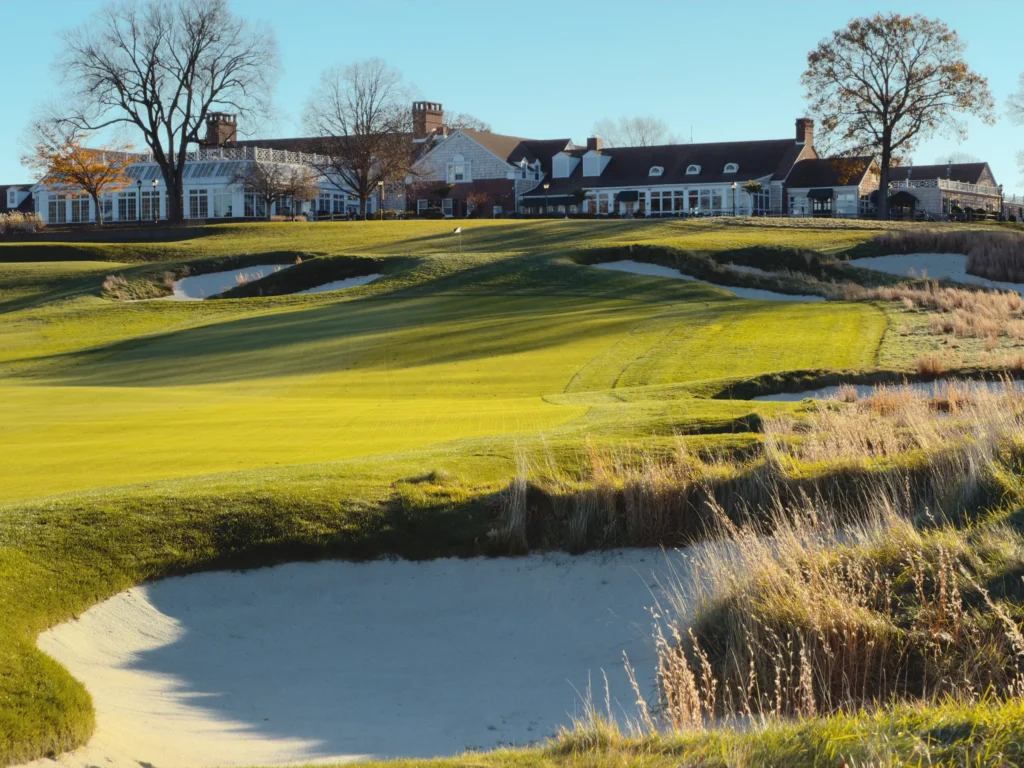
A Photographic Look at Bethpage Black’s Final Day of 2026