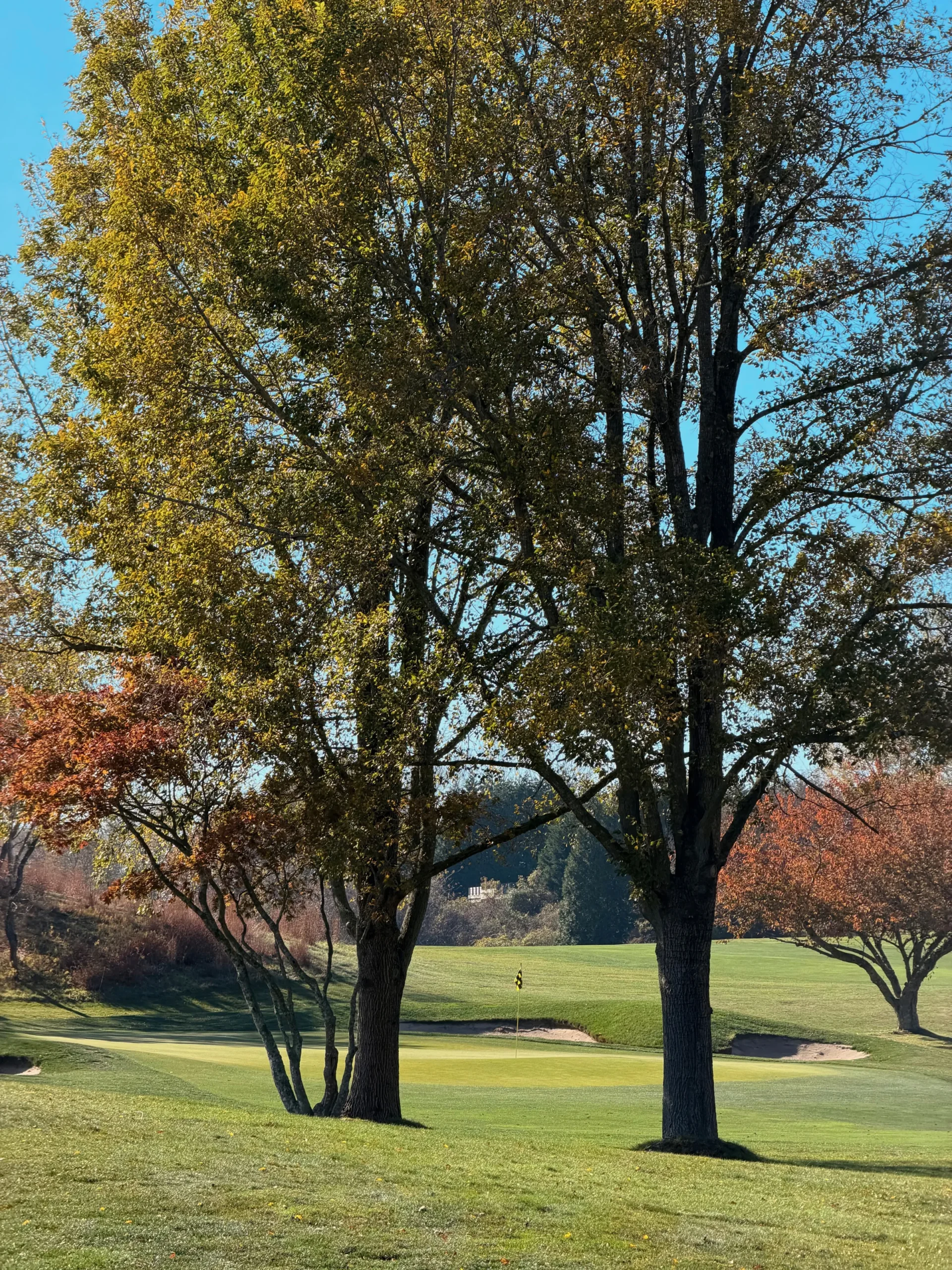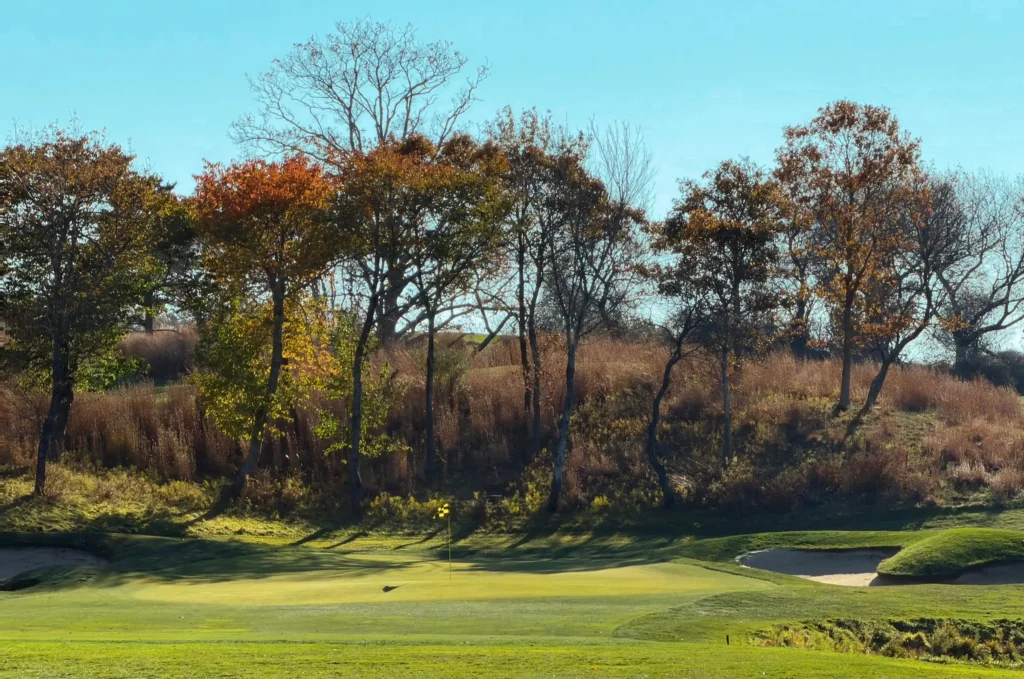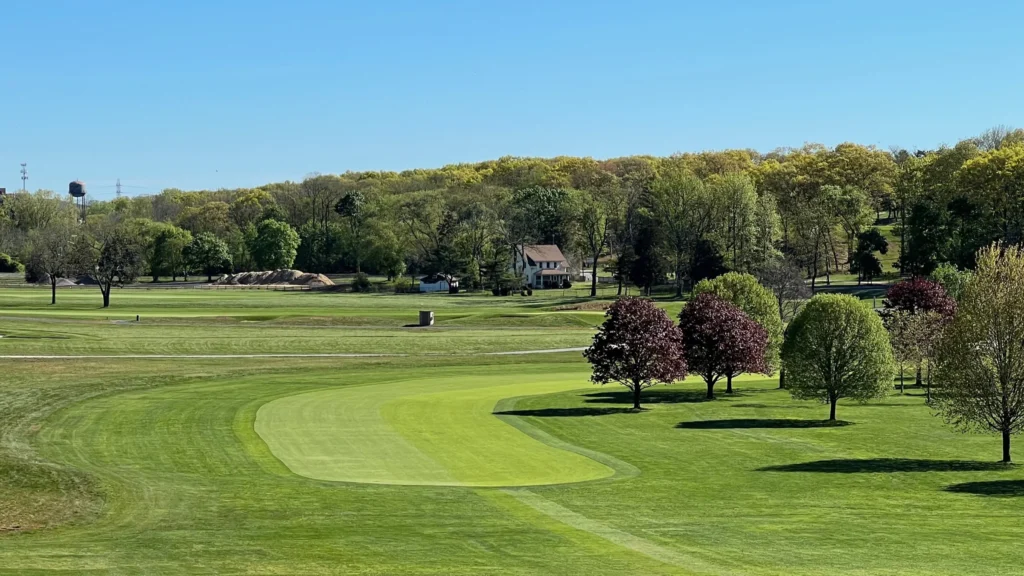
If you don’t believe in love at first sight, Montauk Downs might just change your mind. Tucked at the far eastern tip of Long Island, the Robert Trent Jones redesigned public golf course traverses wind-swept dunes framed by the Atlantic Ocean and Block Island Sound, just five miles south of the Montauk Point Lighthouse.
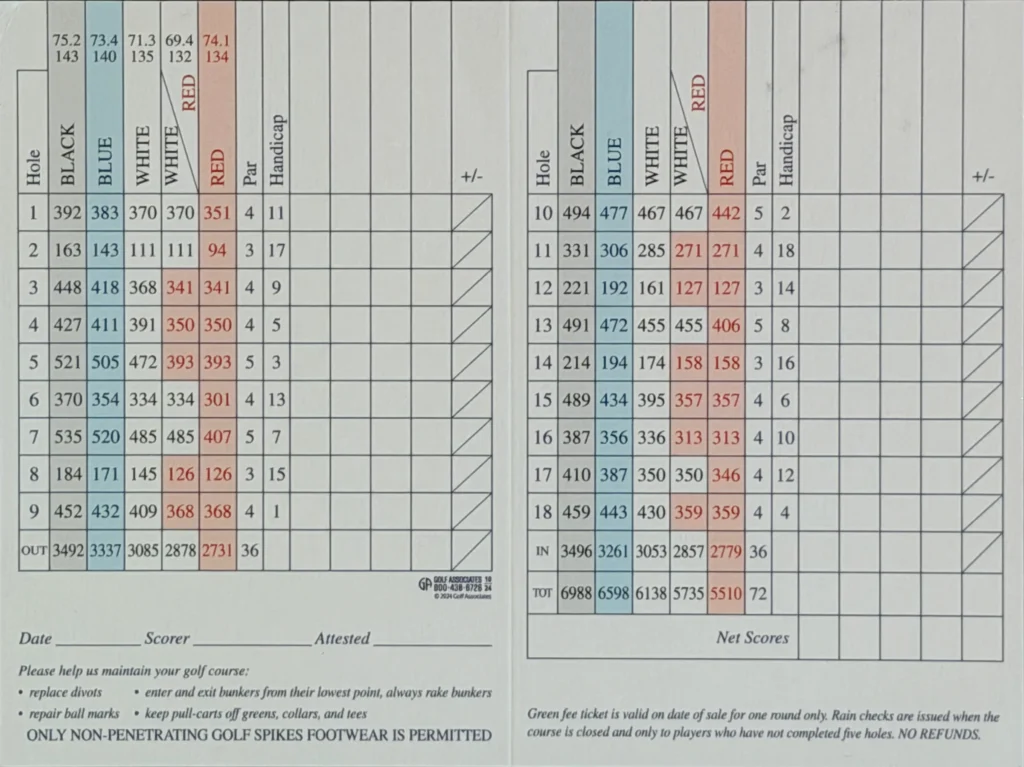
It feels untouched— quiet and teeming with wildlife—with deer, foxes and turkeys casually roaming the course, which they call home. It’s a majestic setting for a golf course, but don’t get too beguiled by its natural beauty and charm—at 6,988 yards and a rating of 75.2 from the tips, Montauk Downs is no walk in the park.
The land is fully exposed to the nearby ocean winds which are far more foe than friend to golfers—creating firm and fast conditions along the ground as well as some of the quickest greens you’ll find just about anywhere.
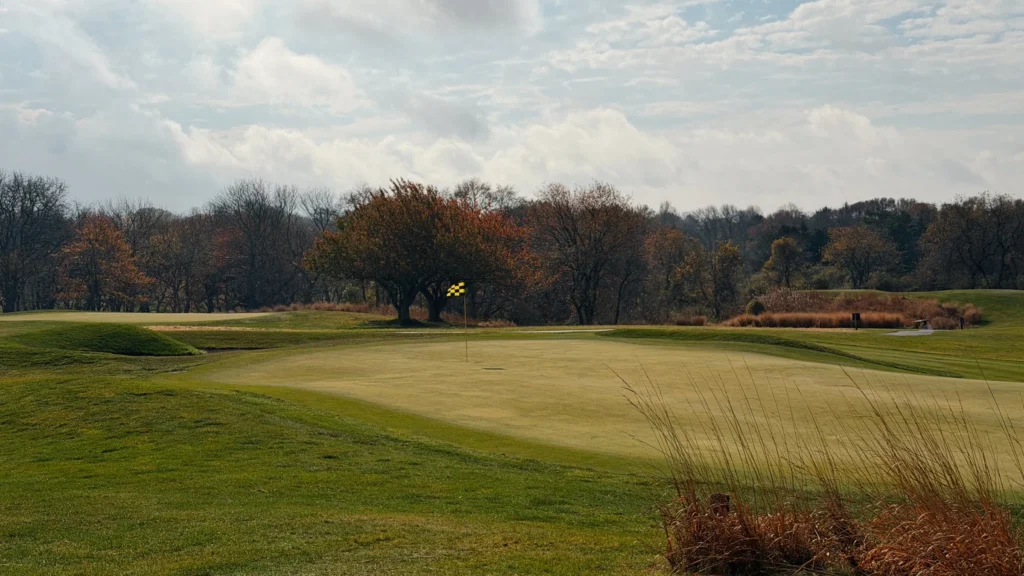
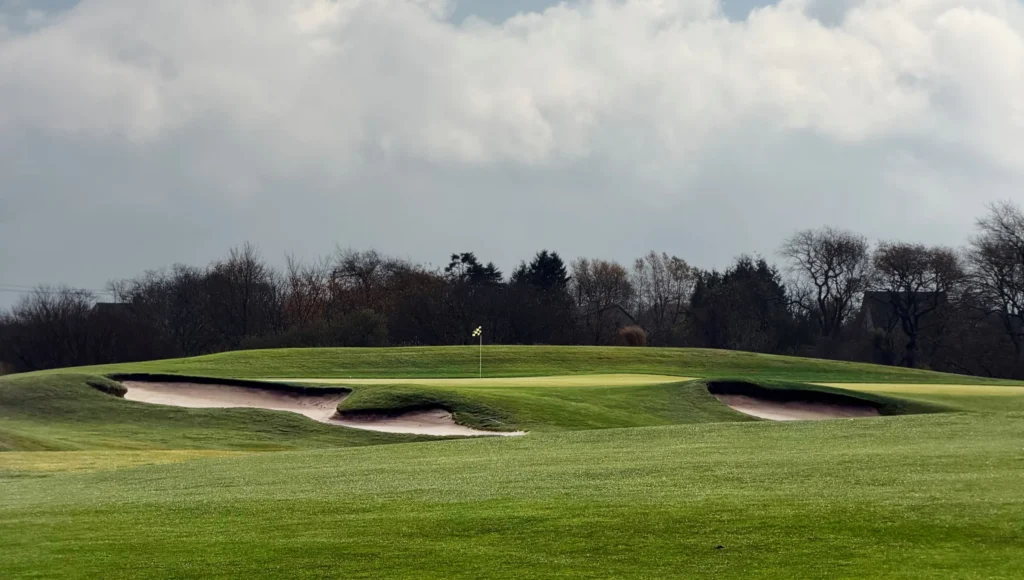
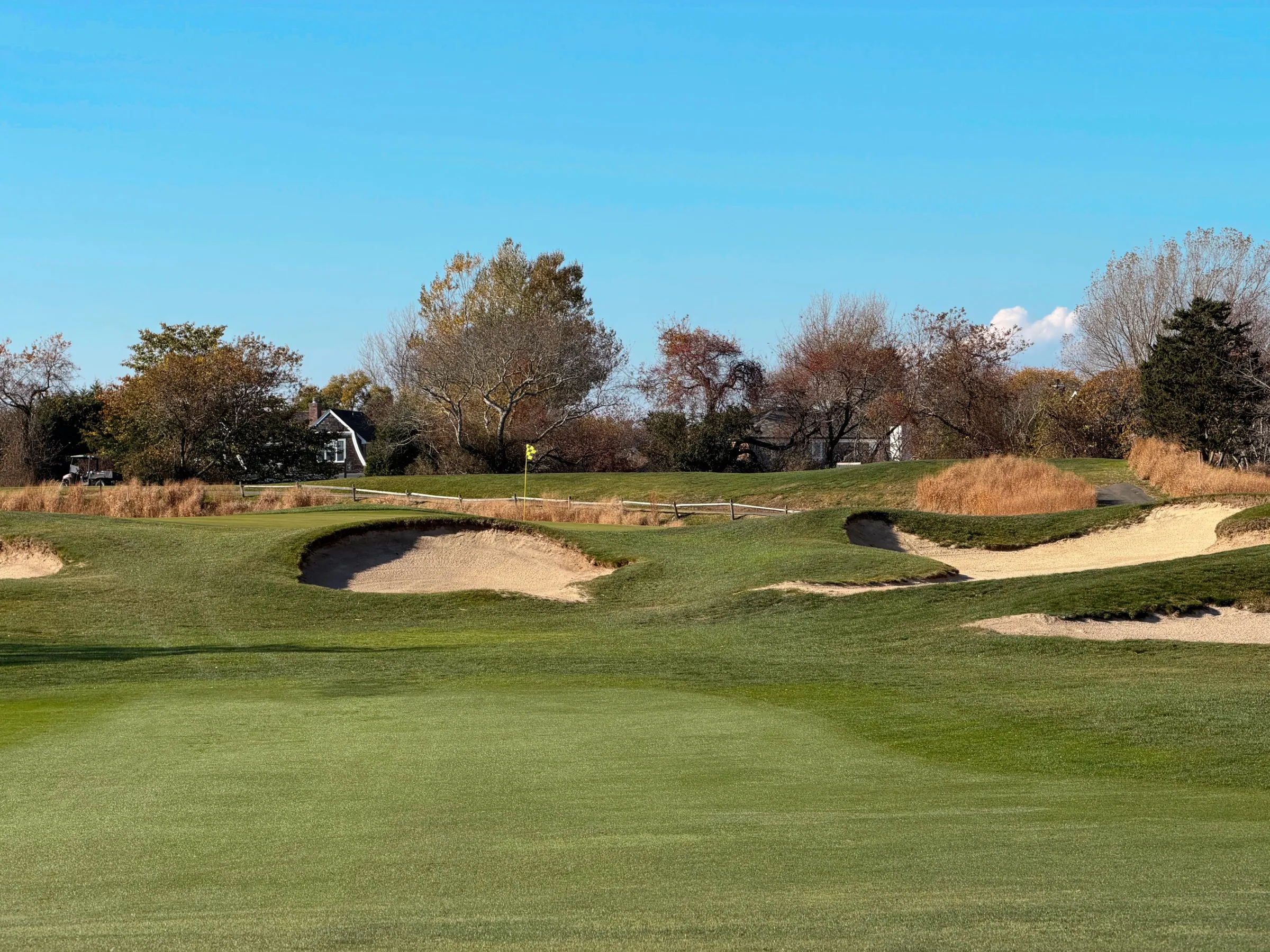
Montauk Downs is routed along the rugged and rolling natural landscape with many elevation changes throughout the course. You won’t be able to see the ball land on the putting surface half of the time as nine of the greens are elevated from the approach. With relatively small greens featuring Jones’ signature undulating and complex contours, they require an intimate level of familiarity to know where to hit the approach—or perhaps more importantly, where not to miss. Because of the lightening fast greens, you’ll want to be below the hole as often as possible and any short sided misses will require expert touch and a deft short game to save par.
That said, the Downs has its moments of respite with four par-5s which are all gettable with a good tee shot. The course rewards the smart and patient golfer who respects the difficult green complexes yet is aggressive when presented with the opportunity to pounce, and the greens, though fast, roll true, so birdies are out there (and not just the turkeys).
It’s a beautiful and well-maintained complex—a challenging yet fair test of golf. If the course doesn’t blow your mind, the price tag will. At just $53 on weekends for New York State residents, Montauk Downs is a steal so good it feels like you got away with something.
Taking a Page From Bethpage Black’s Playbook
Montauk Downs has the look and feel of a private course because it was for much of its history. Established in 1927 and originally designed by H.C. Tippett, the private course was sold to investors who created the Montauk Golf & Racquet Club in 1966. The course was redesigned by legendary golf course designer Robert Trent Jones Sr. in 1968-69. It was sold to New York State in 1980 and renamed Montauk Downs State Park after the private club filed for bankruptcy two years prior.
The course underwent another major renovation in 2005, with Jones’ son, Rees, at the helm, bringing the greens back to their original contours and rebuilding the bunker complexes which had become eroded by the wind. The New York State Parks Department modeled Montauk Down’s renovation strategy after Rees Jones’ prior success in getting Bethpage Black ready for the U.S. Open in 2002, which has since vaulted Bethpage Black to the 28th ranked golf course in the country—private or public. Rees’ renovation work at both Bethpage Black and Montauk Downs were done pro bono, a passion project for Jones who lauded public golf courses as the future of the game.
Earlier this year Montauk Downs upgraded their driving range as well, making it a premier practice facility with covered bays featuring launch monitor data powered by Inrange Golf’s technology.
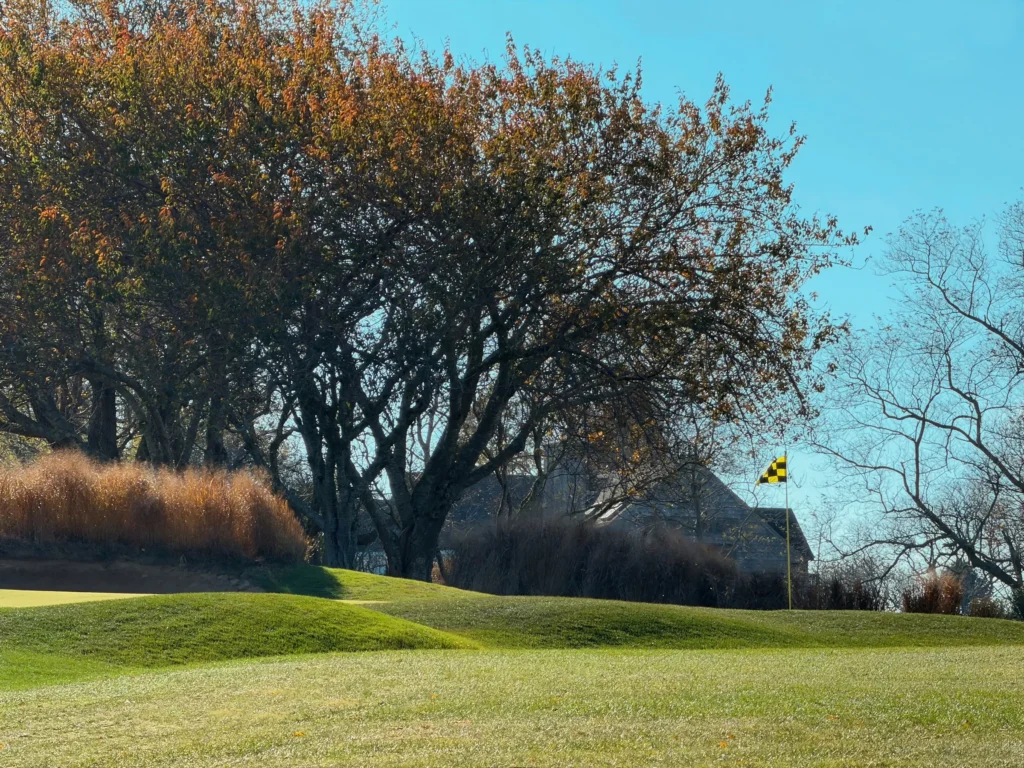
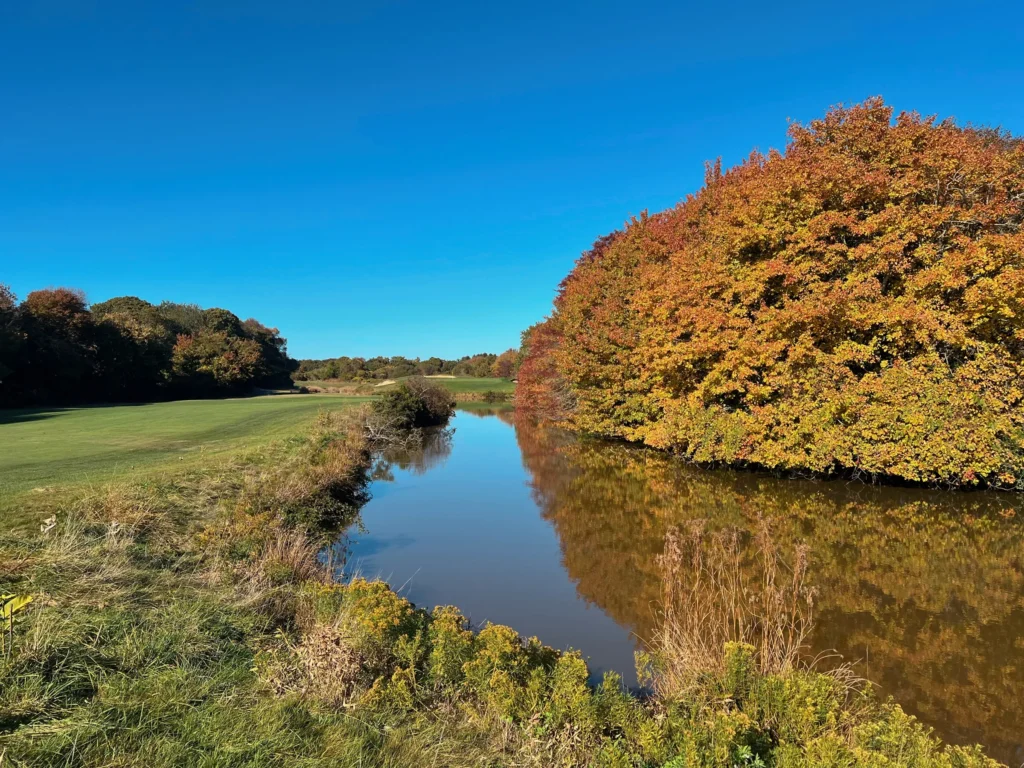
Autumn is an ideal time to visit Montauk when the vacation traffic is off-season, the fall foliage is vibrant and the tee sheet is comfortably accommodating. A no-brainer for eastern Long Island locals and well worth the over two hour drive from Brooklyn, Queens or Manhattan, Montauk Downs is another feather in the cap of the New York State Parks public golf program.
An Annual Tradition
The drive from my apartment in Greenpoint, Brooklyn to Montauk Downs is 116 miles, which can mean anywhere from 2.5 hours to 4+ hours during peak summer season with beach and vacationer traffic. The best time to go for a day trip is during the off-season when traffic is light and an early morning drive on a weekend is smooth sailing. I first took the drive up to Montauk two years ago in the fall in search of smoother greens when Bethpage had just punched theirs. It has since become an annual tradition where I try and go up at least once each fall to enjoy a round at Montauk Downs. Even with little traffic, it’s a commitment for a day trip, one that my Montauk-local playing partners last year applauded when they asked where I was staying and I said “I’m driving back after the round,” which was, apparently, “not normal.” If you can swing a night or two at a hotel or Airbnb it would make for a great weekend getaway, but it’s totally drivable from Manhattan for the day.
Getting Started
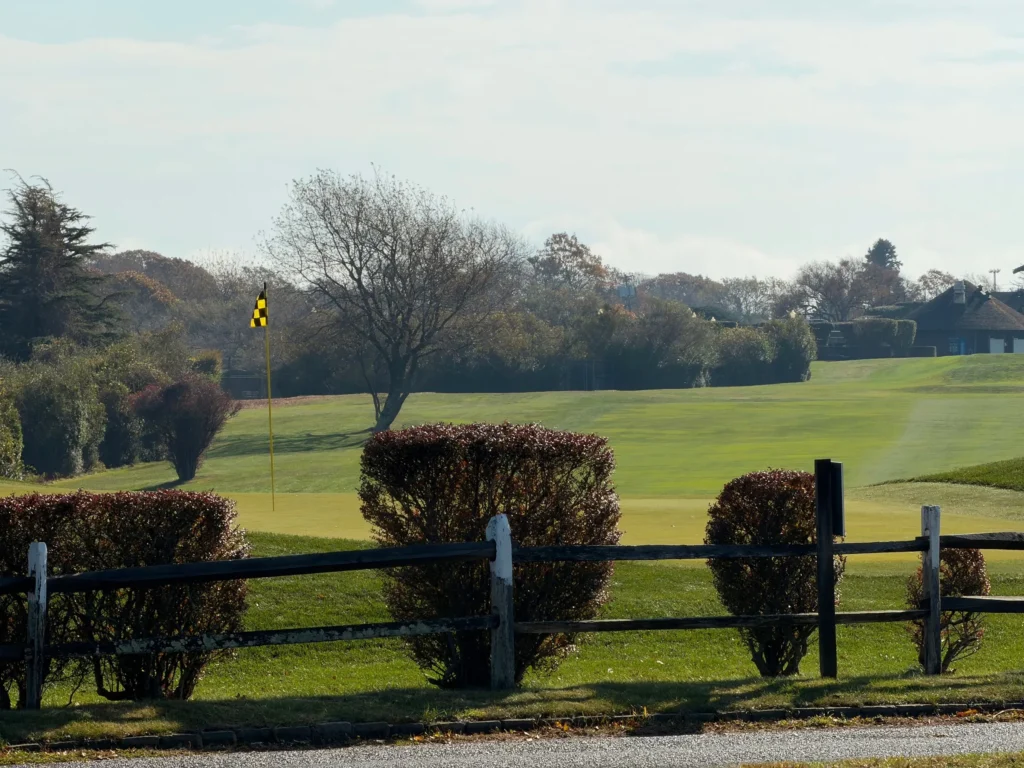
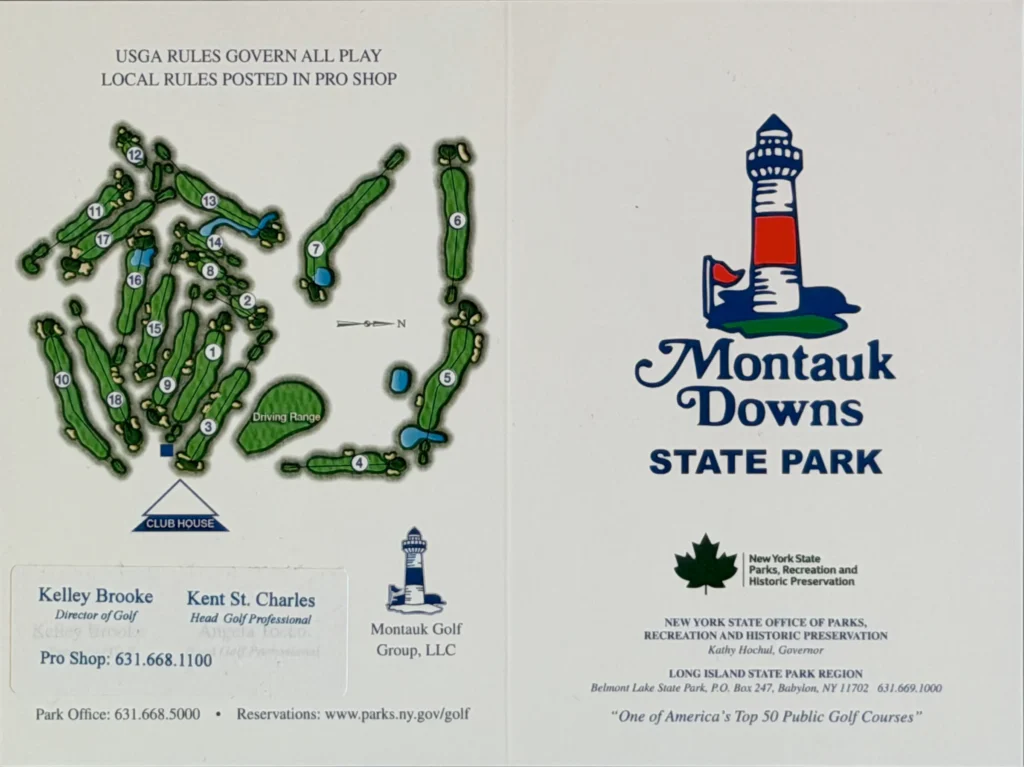
The first hole at Montauk Downs is a 392 yard par-4 that plays slightly downhill from the tee and then back uphill to a blind approach to an elevated green. Everything slopes right to left in the fairway and there is a lateral hazard to the left which comes into play for any drive longer than 250 yards. With the course playing firm and fast, it doesn’t take much of a left miss for the ball to careen into the hazard. Even tee shots that land in the middle of the narrow fairway—which is just 25 yards wide—can find their way to the left rough.
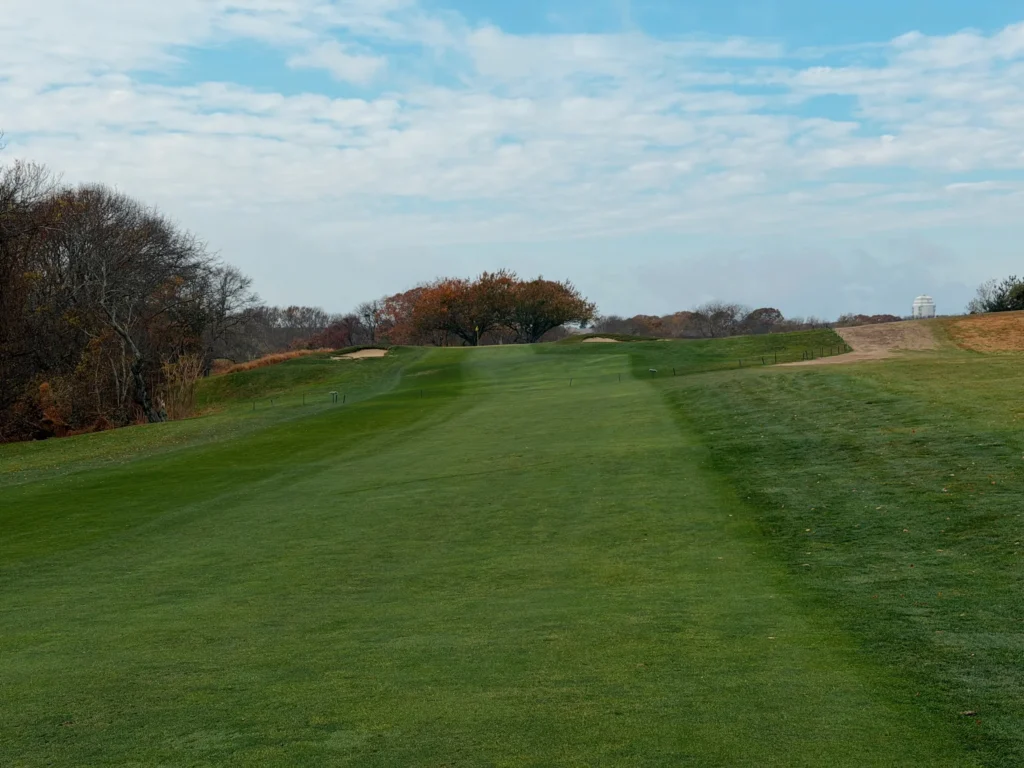
There is plenty of room right, however, so my line off the tee is actually just right of the fairway. If I hit a little draw, I’ve allowed enough room to avoid the hazard to the left of the fairway, and if it fades, an approach from the right rough is a good angle to the green and the rough is not so thick that it is penal. Avoid the hazard on the left and you’ll be off to a good start.
Beware the Signature Hole
The par-3 12th hole is Montauk Downs’ signature hole. It is a diabolical par-3, 221 yards from the black tees, which can play even longer depending on the wind. It’s possible you grab a fairway metal or even driver if the wind is strong into you. The green sits atop a crown with hazard around the sides and back of the green. Tee shots missed green-high to the right and fading will likely find the lateral hazard on the bounce. There is a little more room with a left miss, but not much, and the chip shot from below the elevated green is no bargain either. It will require a clever touch and a decision whether to come in low and take some speed off by hitting into the slope, or going in high to land the ball on the green, depending on the pin position.

If you miss the green, make sure to miss long sided to give yourself plenty of green to work with. Avoid a large number here—it’s a hole that proves there is such a thing as a good bogey. The next hole is a reachable par-5 so collect yourself and make a birdie on 13.
My Favorite Hole
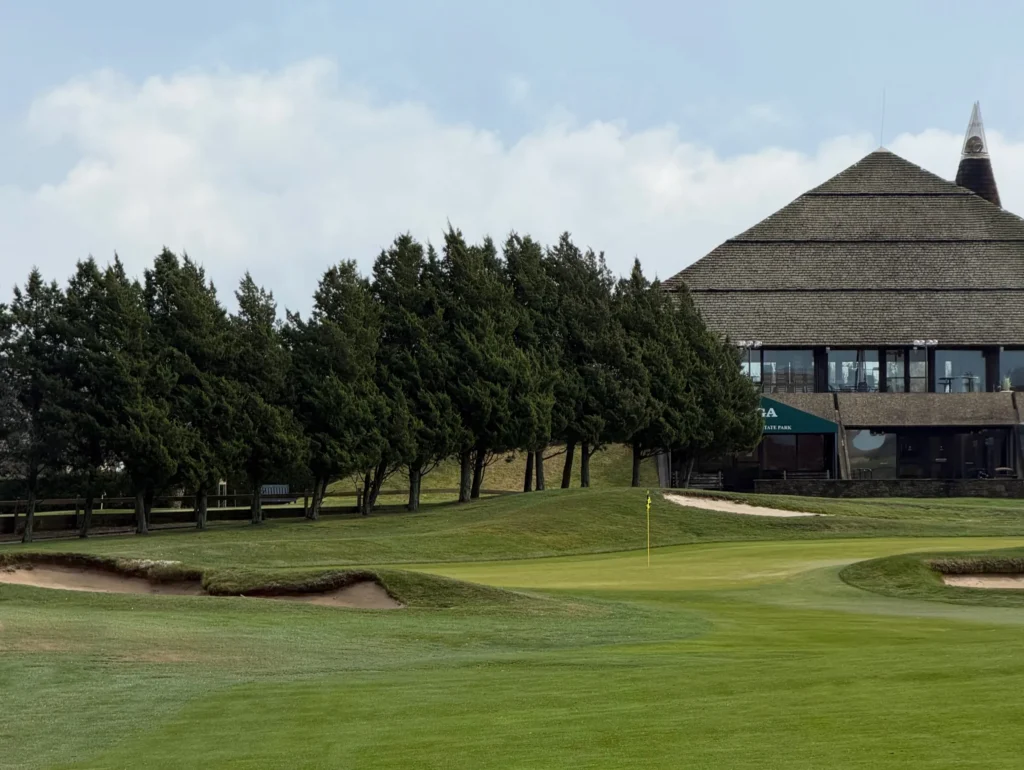
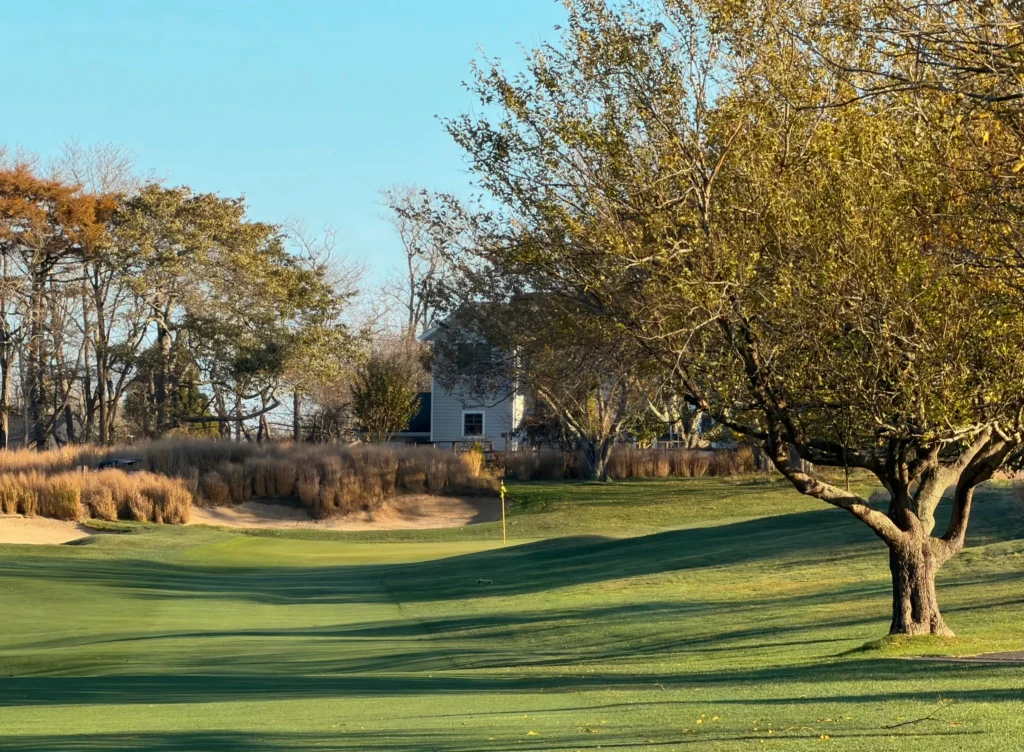
The 18th hole is a 459 yard par-4 from a slightly elevated tee looking out toward the clubhouse. It’s not uncommon to see deer roaming near the tee boxes and the tall yellow fescue provides a stunning contrast against the lush green of the fairway and rough.
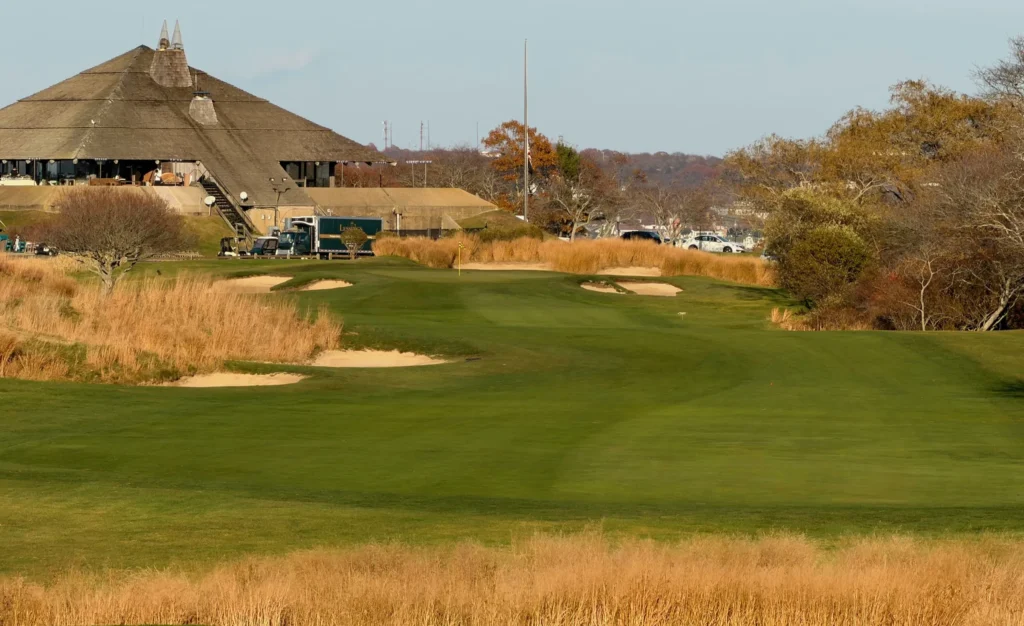
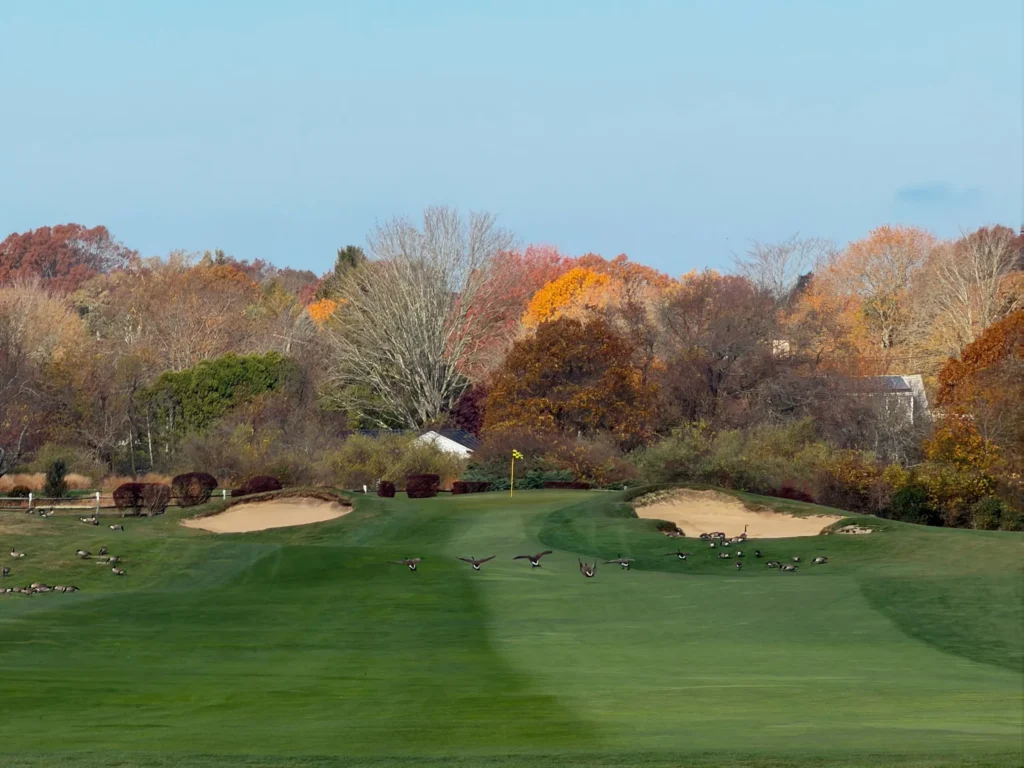
The fairway is its widest short of the two fairway bunkers on the left. A play to this position will avoid the fairway bunkers but leave 190-200 yards to the green. To have less on the approach will require taking on the fairway bunkers which are deep enough to offer little hope of getting on in two depending where the ball settles. The fairway tapers from 30 yards wide to just 11 yards wide at 300 yards from the tee, which means you’ll need two good swings to find the fairway and then the green in regulation. It’s a beautiful finishing hole, no matter the numbers of strokes it takes to get in.
A Photographic Look at Montauk Downs